American company aims to produce nuclear fuel at Necsa
An American company, ASP Isotopes Inc. has entered into a Memorandum of Understanding (MOU) with The South African Nuclear Energy Corporation (Necsa) to collaborate on the research, development and ultimately the commercial production of advanced nuclear fuels.
ASP is an advanced materials company dedicated to the development of technology and processes for the production of isotopes for use in multiple industries. Necsa is responsible for processing source material, and co-operating with other institutions on nuclear and related matters.
The proposed structure under discussion for the delivery of the objectives of the MOU contemplates the formation of a new entity in South Africa with a board of directors consisting of at least two representatives from ASPI and Necsa. Discussions between the parties during the last three years have focused on advancing new nuclear fuel to cater especially for small modular reactors as a start and eventually the construction of a nuclear fuel facility for the production of High-Assay Low-Enriched Uranium (HALEU).
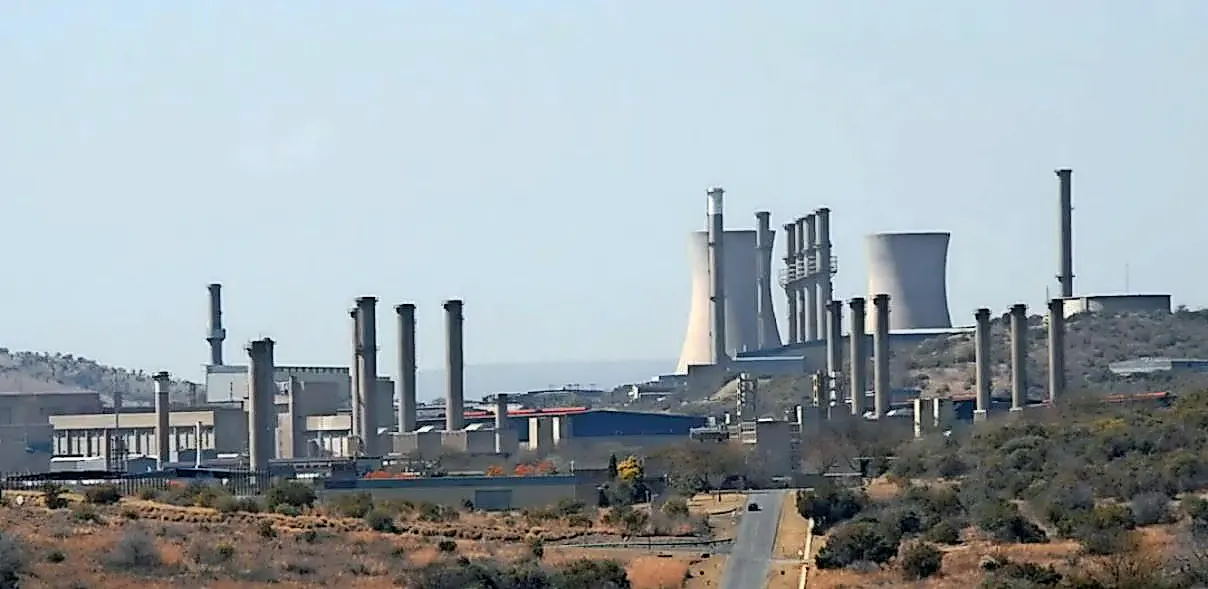
It is anticipated that the research, development and ultimate construction of a HALEU production facility will take place at Pelindaba in Hartbeespoort. Pelindaba is South Africa’s main nuclear research centre and is the home of the 20MW research nuclear reactor, SAFARI-1, which over the last several years has become one of the world’s largest suppliers of Molybdenum-99 and other radioisotopes.
The MOU was signed at a signing ceremony that took place at Pelindaba on November 14, 2024. Paul Mann, Chairman and CEO of ASP Isotopes, signed on behalf of ASP Isotopes and Loyiso Tyabashe, Group CEO of Necsa, signed on behalf of Necsa. The signing ceremony was attended by representatives of the South African Government and included the participation of Minister Kgosientsho Ramokgopa, South Africa’s newly appointed Minister of Electricity and Energy.
During the signing ceremony, Necsa GCEO, Tyabashe said the memorandum signifies the commitment of both Necsa and ASP Isotopes to bring essential nuclear fuels to the world. “It is particularly important for South Africa as nuclear technology is set to take its rightful place in ensuring energy security thus enabling economic growth, decarbonisation and much-needed jobs. The MOU paves the way for Necsa to re-establish its capability for nuclear fuel production and supply. I believe that this collaboration will enhance the technological capabilities of both parties and foster a long-lasting and mutually beneficial partnership in the field of nuclear technology,” he said.
Mann said that over the last several decades, scientists at South Africa’s leading Universities and more recently at ASP Isotopes have developed some of the world’s most advanced isotope enrichment technologies. “Nuclear fuel has one of the most severely compromised supply chains of any material in the world. The world is in urgent need of additional suppliers. This partnership with Necsa will enable us to accelerate the construction of an advanced nuclear fuel facility.This proposed partnership with Necsa is designed to re-establish South Africa as a leader in Nuclear Engineering producing the advanced nuclear fuels that the world requires to prevent climate change. It will also mobilize hundreds of workers in local regions to build and operate the new manufacturing plant and support thousands of direct and indirect jobs across a nationwide manufacturing supply chain.”