Hartbeespoort Dam’s Floating Invaders: The Hyacinth and Salvinia Problem
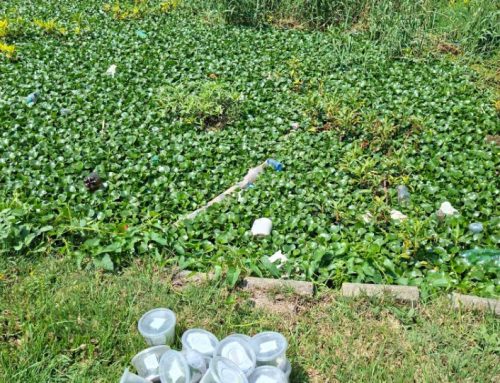
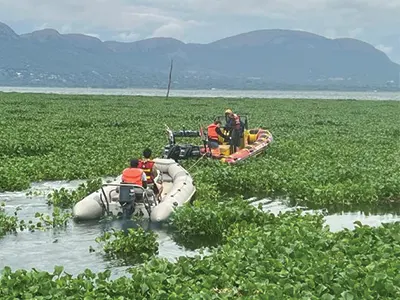
For residents and visitors around Hartbeespoort Dam, the sight has become increasingly familiar: large green mats of floating plants spreading across the water, accumulating along shorelines and sometimes covering bays and sections of the dam.
The two plants at the centre of the problem are water hyacinth and salvinia. Although they may look harmless — and water hyacinth can even be attractive when flowering — both are invasive aquatic plants capable of multiplying rapidly when conditions are favourable.
For Hartbeespoort Dam, however, the floating plants are only part of a much bigger environmental problem.
Why Hartbeespoort Dam is so vulnerable
Hartbeespoort Dam receives water from the Crocodile River system, which drains a large and heavily urbanised catchment that includes parts of Gauteng.
Over many decades, excessive nutrients, particularly phosphorus and nitrogen, have entered the dam through wastewater, sewage pollution, urban runoff and other sources.
These nutrients act as fertiliser.
The result is a highly nutrient-rich, or eutrophic, dam. Such conditions encourage excessive growth of algae and aquatic plants. Water hyacinth and salvinia are therefore not simply invading an otherwise healthy body of water — they are taking advantage of conditions that strongly favour their growth.
This distinction is important because removing the plants alone cannot permanently solve the problem.
Water hyacinth: the highly visible invader
Water hyacinth (Pontederia crassipes, formerly Eichhornia crassipes) is one of the world’s best-known invasive aquatic plants.
It floats freely on the water, with swollen leaf stalks providing buoyancy and a dense mass of roots hanging beneath the surface. Under favourable conditions, it can reproduce extremely quickly and form enormous floating mats.
On Hartbeespoort Dam these mats can be pushed around by wind and currents, meaning an area that appears relatively clear one day can suddenly receive a large accumulation of plants.
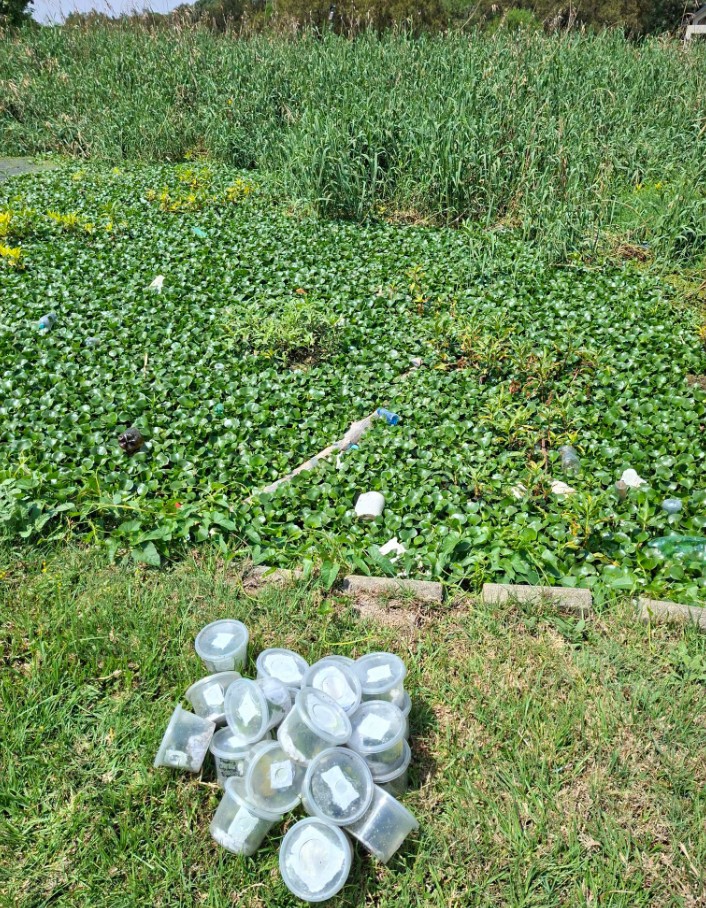
Dense hyacinth can interfere with boating, fishing and access to the water. It can block shorelines and boat launching areas, affect tourism and waterfront properties, trap litter and create stagnant conditions beneath the vegetation.
When large quantities of plant material die and decompose, oxygen is consumed during decomposition, adding further pressure to an already stressed aquatic ecosystem.
Then there is salvinia
Salvinia is less spectacular in appearance but potentially just as troublesome.
It is a free-floating aquatic fern that can spread across the surface in dense mats. Individual plants are much smaller than water hyacinth, but together they can create thick carpets over the water.
This creates a particularly difficult management challenge.
Removing large water hyacinth plants mechanically is one thing. Dealing with countless small salvinia plants and fragments distributed over a large dam is another.
The presence of both invasive plants means Hartbeespoort is effectively dealing with two different floating weed problems at the same time.
Why not simply remove everything?
Mechanical harvesting is an important part of managing aquatic weeds, particularly where dense mats interfere with recreational areas, infrastructure or shorelines.
But Hartbeespoort Dam is enormous.
Removing thousands of tonnes of wet vegetation is expensive and logistically difficult. The harvested material must be transported, stored, processed or disposed of. Meanwhile, plants remaining elsewhere on the dam continue growing.
There is another complication: removing a visible mat does not remove the nutrients that helped create it.
If nutrient-rich water remains, the ecological conditions that allowed explosive plant growth remain as well.
Mechanical removal can therefore provide valuable short-term relief, but it is unlikely to be a permanent solution on its own.
Biological control has an important role
South Africa has considerable experience with the biological control of invasive aquatic weeds.
Biological control uses carefully selected natural enemies — typically insects or other organisms that specifically attack the invasive plant — to weaken it and reduce its ability to dominate.
The objective is generally not to make every plant disappear overnight. Instead, biological control places sustained pressure on the weed population, reducing its growth and reproduction over time.
For a large water body such as Hartbeespoort Dam, this can form an important part of long-term management.
But biological control also needs time. Its effectiveness can vary according to temperature, nutrient levels, plant density and other environmental conditions.
That makes expectations important. There is unlikely to be a single dramatic intervention that permanently clears Hartbeespoort Dam.
The real problem begins upstream
Perhaps the most important point in the entire hyacinth debate is this:
Hartbeespoort Dam cannot be permanently fixed by treating only what is floating on its surface.
The dam is at the receiving end of a much larger catchment.
As long as excessive quantities of nutrients continue entering the river system, Hartbeespoort will remain vulnerable to water-quality problems — whether those appear as water hyacinth, salvinia, algal blooms or other symptoms of eutrophication.
That means the long-term solution must include improved wastewater treatment, reduced sewage pollution, better management of nutrient inputs and rehabilitation of the broader Crocodile River catchment.
Hyacinth is both a problem and a symptom
This is one of the uncomfortable realities of Hartbeespoort Dam.
The vast green carpets are easy to photograph. They are highly visible and understandably become the focus of public frustration.
But water hyacinth is also telling us something about the water beneath it.
It is a biological response to an ecosystem containing an abundance of nutrients.
Simply removing the visible plants without dealing with the nutrient load is rather like repeatedly wiping water from the floor without repairing the leaking pipe.
What would a sustainable solution look like?
There probably isn’t one solution.
A realistic long-term strategy requires integrated management: biological control to suppress invasive plants, targeted mechanical removal where necessary, ongoing monitoring of both hyacinth and salvinia, responsible management of harvested plant material, and — most importantly — substantial reductions in the nutrients entering the dam.
Success should also not necessarily be measured by whether every last floating plant disappears.
A healthier Hartbeespoort Dam would be one where invasive plants no longer dominate huge areas, water quality improves, ecological processes become more balanced, recreational use is protected and the dam is less vulnerable to repeated explosive outbreaks.
Hartbeespoort deserves more than another quick fix
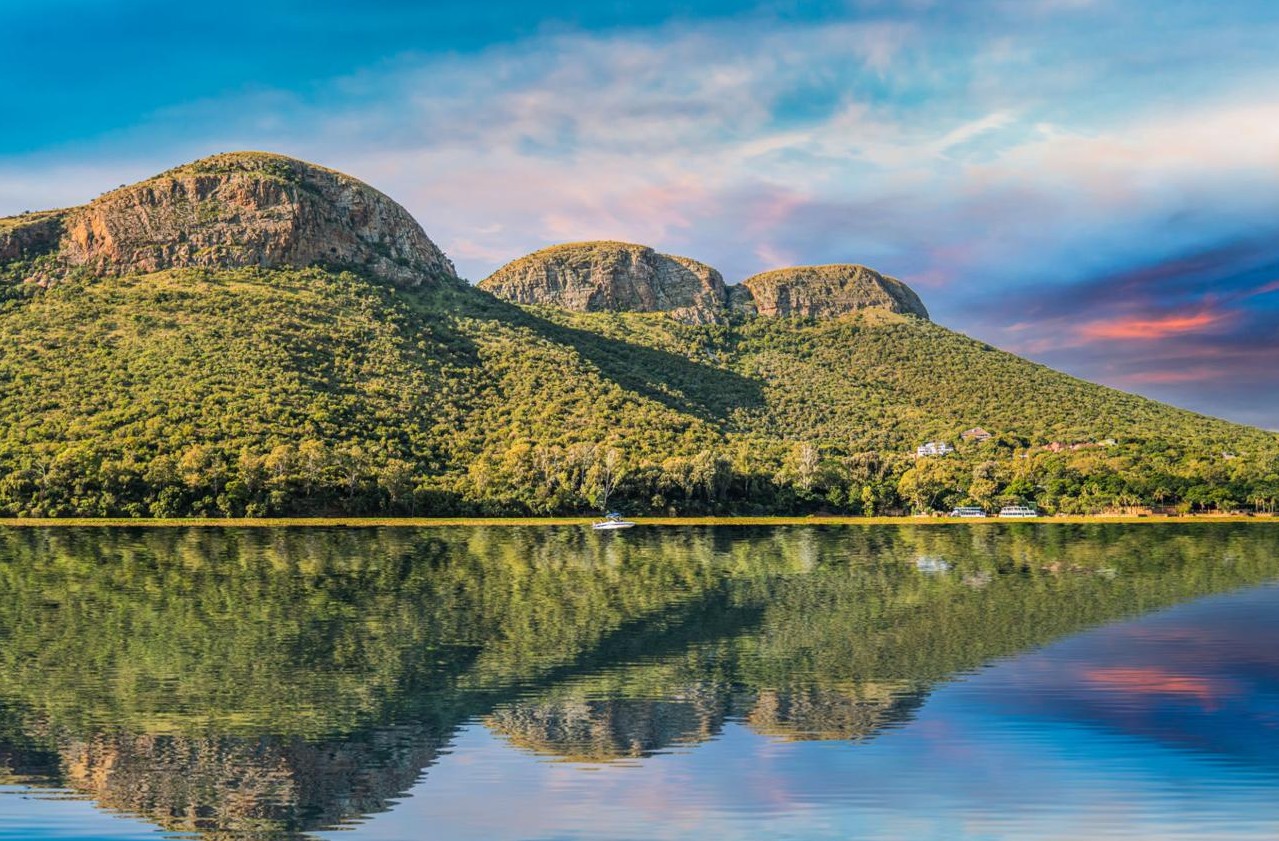
Hartbeespoort Dam is far more than a reservoir.
It is an important recreational destination, tourism centre, wildlife habitat and home to communities and businesses that depend on the health and appearance of the dam.
The hyacinth and salvinia problem deserves serious attention, but it should also force a broader conversation about the condition of the entire river system feeding Hartbeespoort.
Removing the floating weeds matters.
Controlling invasive species matters.
But if we want future generations to inherit a healthier Hartbeespoort Dam, the battle ultimately has to be fought not only on the dam, but throughout the catchment that feeds it.
The plants we see on the surface are the warning. The quality of the water underneath is the real challenge.