Have you seen an otter lately?
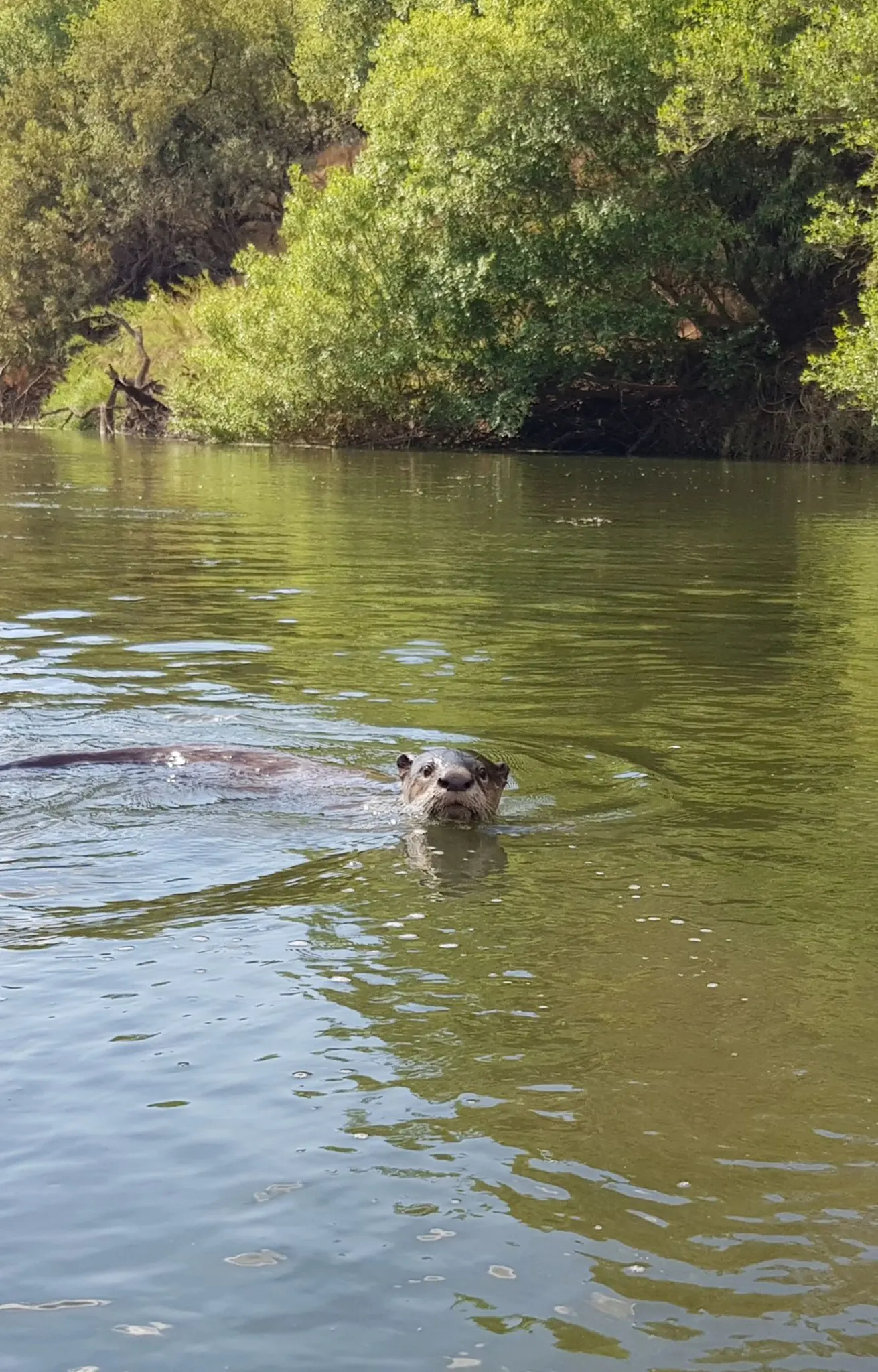
What happened to the otters? That is the question that the Owl Rescue Centre wants to answer with a research-driven project.
“This is one of our new focal projects. It’s a research-driven project to understand why otters are now absent in parts of their historical range,” Brendan Murray of the Owl Rescue Centre said.
“We need the public’s support to find answers and explore possibilities for their return.”
One of the big questions the Owl Rescue Centre is investigating is what the main drivers behind the otter’s disappearance are. “Initial findings point to habitat loss and degradation, water pollution, and a reduction in their prey and human-wildlife conflict.
“We are looking at the potential for reintroduction in areas where otters are now missing. Success depends on habitat rehabilitation, restoring water quality, and ensuring adequate prey availability. We want to determine what the current distribution and population size across South Africa is.”
The African Clawless Otter is generally more widespread, found across the eastern half and southern coast. The Spotted-necked Otter is less widely distributed, often limited to inland waters in the eastern half, and is restricted to permanent freshwater that can support its primarily fish-based diet.
“Both species are declining. The data we collect through public sighting contributions will help us answer a few critical questions to address some conservation concerns.”
The public is requested to report any sightings on the Owl Rescue Centre website: www.owlrescuecentre.org.za/Project-Otter