As summer temperatures climb in Hartbeespoort and surrounding areas, pet owners are urged to take extra precautions to protect their furry companions from heatstroke, dehydration and potentially fatal heat-related illnesses.
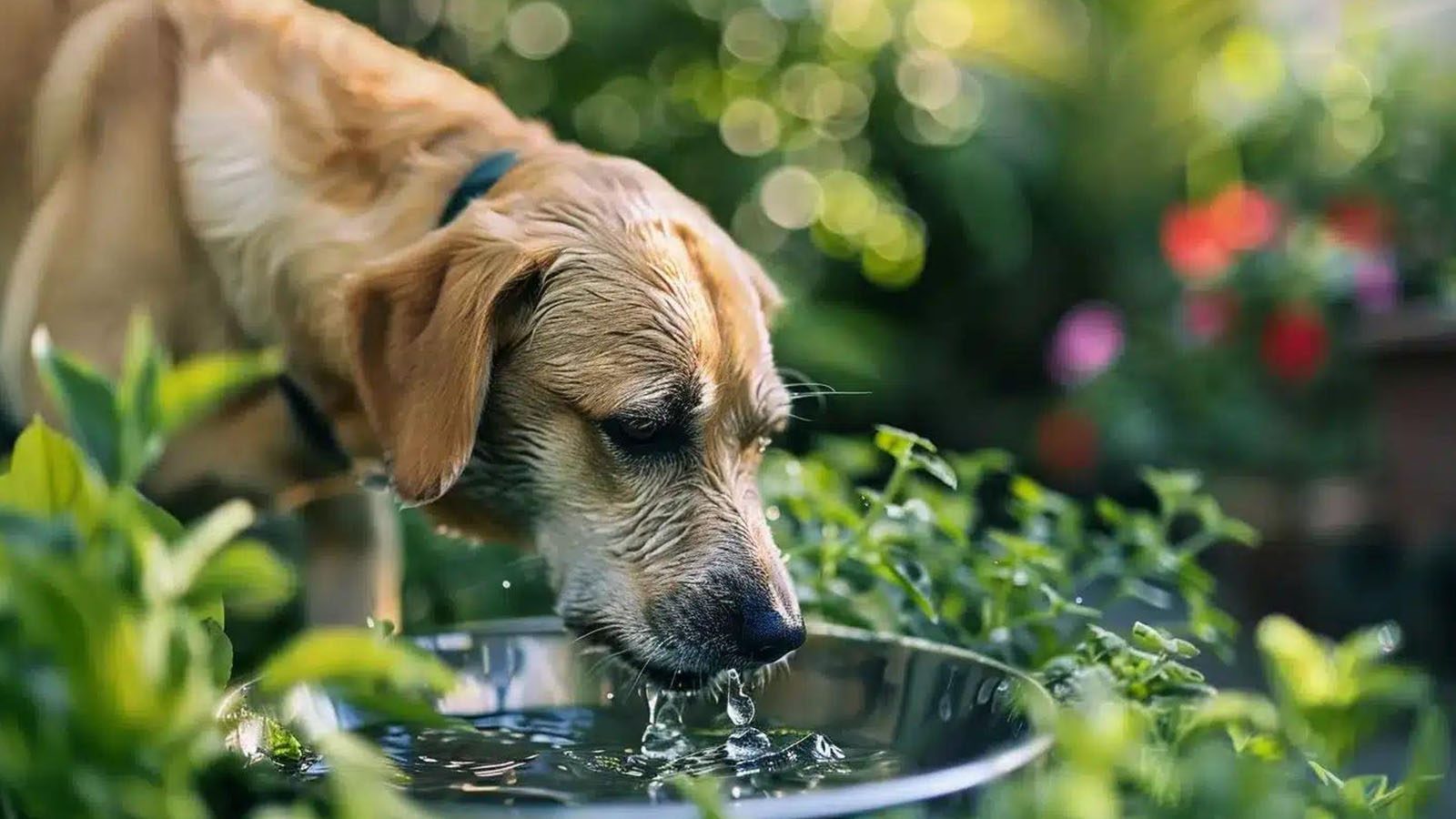
With summer settling in and temperatures frequently soaring above 30°C in parts of North West and Gauteng, the heat can become more than just uncomfortable for household pets — it can be deadly.
Dogs, cats, rabbits and other domestic animals are particularly vulnerable to extreme temperatures, especially when left outdoors without adequate shade or fresh drinking water.
Unlike humans, dogs and cats cannot cool themselves efficiently by sweating. Dogs primarily regulate their body temperature through panting, while cats rely on grooming and seeking cooler areas.
When temperatures become too high, these natural cooling mechanisms may no longer be sufficient, putting animals at risk of heat exhaustion and heatstroke.
Here are some important precautions pet owners can take to keep their animals safe during the hot summer months.
1. Always provide fresh, cool water
Dehydration is one of the biggest dangers facing pets during hot weather.
Make sure your pets have access to clean, fresh drinking water throughout the day. Place several water bowls around your property, preferably in shaded areas.
Water left standing in direct sunlight can quickly become unpleasantly warm, discouraging animals from drinking.
Adding a few ice cubes to drinking water can help keep it cool, while regularly refilling bowls ensures a constant supply.
Remember that outdoor animals may accidentally overturn their water bowls, so heavy, stable containers are recommended.
2. Provide plenty of shade
Pets left outside must have access to adequate shade throughout the day.
Trees, covered patios and well-ventilated shelters can provide protection from direct sunlight. However, remember that shade moves as the sun changes position.
A kennel standing in direct sunlight can become dangerously hot, particularly if ventilation is poor.
Whenever possible, allow pets indoors during the hottest part of the day, especially between 10:00 and 16:00.
3. Never leave pets inside parked vehicles
Even on a relatively mild day, temperatures inside a parked vehicle can rise rapidly to life-threatening levels.
Leaving windows slightly open does little to prevent this dangerous build-up of heat.
A dog left inside a vehicle can develop heatstroke within minutes, potentially resulting in organ damage or death.
The safest rule is simple: Never leave your pet unattended in a parked vehicle, even for a few minutes.
If you cannot take your pet with you when leaving the vehicle, rather leave it safely at home.
4. Avoid walking dogs on hot pavements
One danger often overlooked by pet owners is the temperature of roads, pavements and paving bricks.
During hot summer afternoons, these surfaces can become significantly hotter than the surrounding air.
Dogs walking on hot surfaces can suffer painful burns to their paw pads.
A useful precaution is the seven-second test: Place the back of your hand on the pavement for seven seconds. If it is too uncomfortable to keep your hand there, it is probably too hot for your dog’s paws. This is only a rough guide, so walking during cooler hours remains safest.
Rather walk your dogs early in the morning or later in the evening when temperatures have dropped.
5. Recognise the warning signs of heatstroke
Heatstroke is a medical emergency that requires immediate veterinary attention.
Warning signs include:
-
Excessive or frantic panting
-
Heavy drooling
-
Weakness or difficulty standing
-
Vomiting or diarrhoea
-
Bright red, unusually pale or bluish gums
-
Confusion, staggering or collapse
-
Seizures or loss of consciousness
If your pet displays any of these symptoms, immediately move it to a cool, shaded area and begin cooling it with cool tap water, avoiding the nose and mouth. Use a fan if available.
Offer small amounts of water if the animal is alert and able to swallow, but never force it to drink.
Contact a veterinarian immediately and arrange urgent transport. Continue cooling while preparing to travel, and avoid ice baths or wrapping the animal in wet towels, which can interfere with effective cooling.
Even if the animal appears to recover, veterinary treatment remains essential because internal organ damage may not be immediately visible.
6. Pay special attention to vulnerable pets
Some animals are at greater risk of heat-related illnesses than others.
Flat-faced dog breeds such as bulldogs, pugs and Pekingese are particularly vulnerable because their shortened airways make cooling through panting less effective.
Older pets, overweight animals, very young puppies and kittens, and pets suffering from heart or respiratory conditions also require extra attention.
Rabbits and guinea pigs are especially sensitive to high temperatures and should be kept in cool, well-ventilated environments away from direct sunlight.
7. Keep pets cool with simple summer activities
There are several ways to help pets remain comfortable during hot weather.
A shallow paddling pool placed in the shade can provide welcome relief for dogs that enjoy water.
Cooling mats, frozen pet-safe treats and damp towels placed on the ground can also help animals cool down.
However, never force an animal into water or leave pets unattended around swimming pools.
Dogs should always have an easy way to get out of a pool, particularly older animals that may struggle to climb steps.
8. Be careful with summer grooming
Although regular grooming helps remove loose fur and improves comfort, shaving a dog’s coat is not always advisable.
Some breeds have double coats that provide insulation against both heat and cold.
Removing these coats can interfere with natural temperature regulation and expose the skin to sunburn.
Consult a professional groomer or veterinarian before drastically trimming your pet’s coat.
9. Remember your pets during power outages
During electricity interruptions, homes can become particularly hot when fans and air conditioners stop working.
Pet owners should ensure adequate ventilation and access to cooler areas.
Animals kept in enclosed rooms, garages or poorly ventilated outbuildings may be especially vulnerable.
Never leave pets in enclosed spaces where temperatures can rise without adequate airflow.
10. Don’t forget stray and community animals
Summer heat also affects stray dogs, feral cats and other animals without permanent shelter.
Residents can make a difference by placing bowls of clean water in safe, shaded locations where animals can drink.
Water should be replaced regularly to prevent contamination and mosquito breeding.
If you encounter an animal showing signs of severe heat distress, contact a local veterinarian or animal welfare organisation for assistance.
Summer pet safety checklist
Keep your pets safe
0 of 7 checked
A little care can save a life
For pet owners in Hartbeespoort, Brits and surrounding communities, where summer days can become extremely hot, taking a few simple precautions can make a significant difference.
Pets depend entirely on their owners to provide a safe environment, particularly during extreme weather conditions.
Ensuring sufficient drinking water, adequate shade and protection from the midday heat can prevent unnecessary suffering and potentially save an animal’s life.
As temperatures rise this summer, residents are encouraged to keep a watchful eye on their pets and to seek veterinary assistance immediately if they suspect heatstroke.
Remember: If the heat is uncomfortable for you, it could be dangerous for your pet.