The Magaliesberg Biosphere Reserve is much more than a protected natural landscape. For Hartbeespoort and surrounding communities, it represents an opportunity to safeguard the environment, stimulate tourism, create employment and build a sustainable future for generations to come.
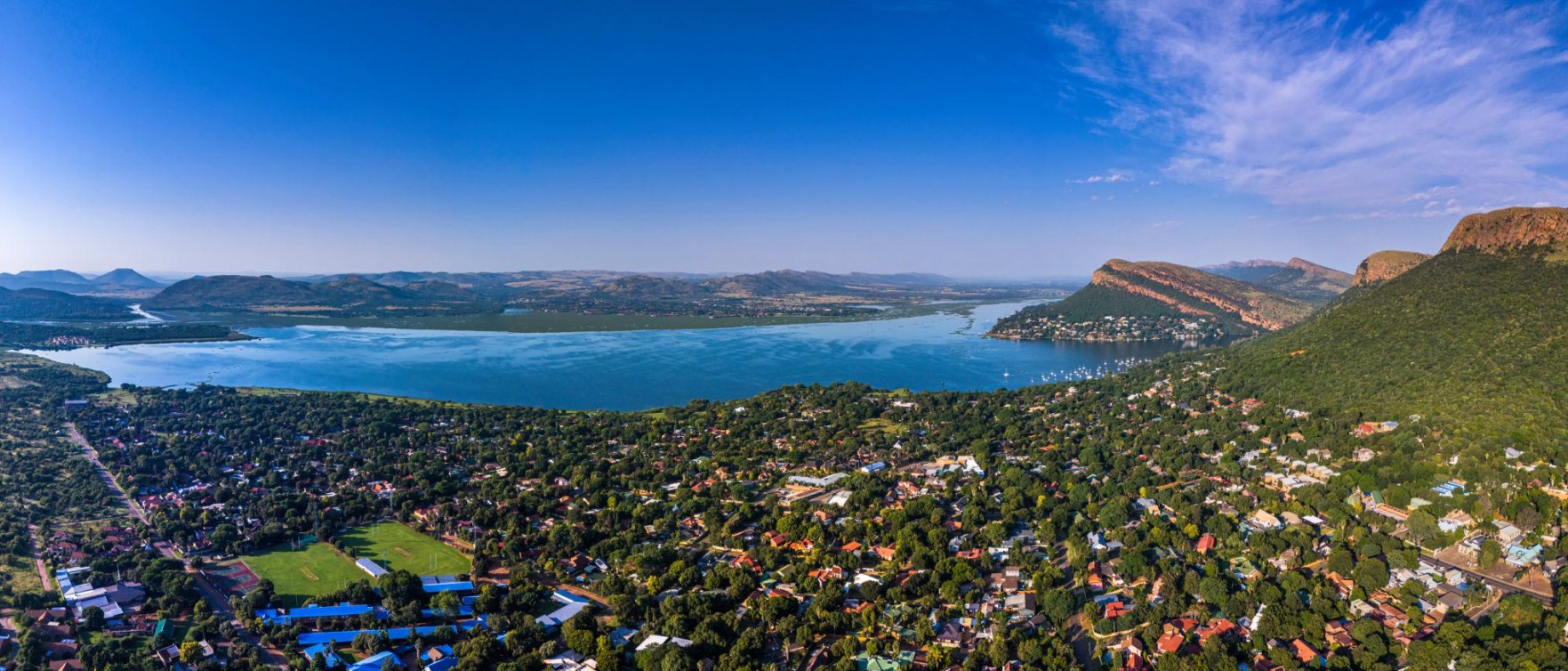
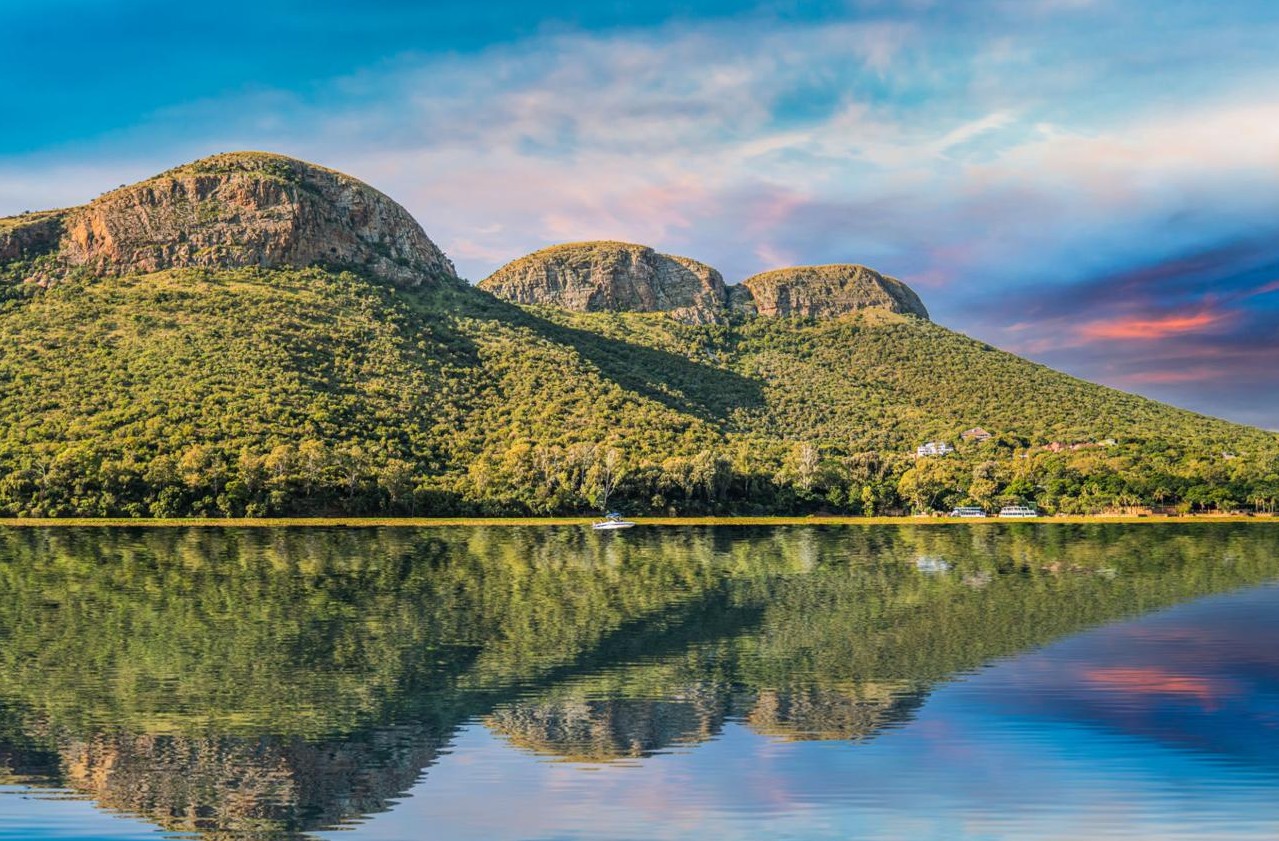
Nestled between the ancient Magaliesberg mountains and the waters of Hartbeespoort Dam, the Hartbeespoort community occupies one of South Africa’s most remarkable natural environments.
The region forms part of the internationally recognised Magaliesberg Biosphere Reserve, a UNESCO-designated area that brings together nature conservation, sustainable development, scientific research and community participation.
But what does this prestigious designation actually mean for the people who live, work and operate businesses in Hartbeespoort?
The answer goes far beyond protecting mountains, wildlife and indigenous vegetation. The biosphere offers opportunities for economic growth, tourism development, environmental restoration, education and an improved quality of life.
What is the Magaliesberg Biosphere Reserve?
The Magaliesberg Biosphere Reserve was officially designated by UNESCO on 9 June 2015, following years of work by conservationists, environmental organisations and government departments.
Covering approximately 357,870 hectares across parts of North West and Gauteng, the reserve stretches through a landscape of mountains, valleys, rivers, agricultural land, villages and growing urban communities.
It is one of the most environmentally and historically significant regions in southern Africa, encompassing parts of the ancient Magaliesberg mountain system and the Cradle of Humankind World Heritage Site.
Unlike a traditional nature reserve, a biosphere does not exclude people or prohibit all development. Instead, it seeks to establish a balance between protecting natural resources and allowing communities to prosper.
The reserve is divided into three zones: core conservation areas, buffer areas supporting compatible activities, and transition areas where communities and businesses pursue sustainable development.
This is particularly important for Hartbeespoort, where residential developments, tourism establishments, agriculture and recreational activities exist alongside sensitive natural environments.
1. A major boost for tourism and local businesses
International recognition strengthens the area’s identity as a destination for nature-based tourism, adventure activities, birdwatching, hiking, cycling and cultural experiences.
For local guesthouses, restaurants, tour operators, accommodation establishments and tourism attractions, this creates opportunities to attract environmentally conscious visitors.
The biosphere can also encourage visitors to spend more time exploring the surrounding countryside rather than making short day trips to the dam.
Farm stalls, craft markets, local food producers, nature guides and small businesses could all benefit from increased tourism activity.
Importantly, sustainable tourism aims to generate economic benefits without destroying the natural attractions that bring visitors to the area in the first place.
2. Protecting Hartbeespoort’s natural environment
The Magaliesberg is one of the oldest mountain systems in the world and supports an extraordinary variety of plants, animals and habitats.
The biosphere lies at the meeting point of grassland and savannah ecosystems, with remnants of indigenous mountain forests.
Its biodiversity includes rare plants such as Aloe peglerae and Frithia pulchra, while the wider biosphere has recorded hundreds of bird species.
For Hartbeespoort residents, protecting these natural resources has practical benefits.
Healthy vegetation helps stabilise soil, reduces erosion and supports natural water systems. Protected habitats provide breeding and feeding areas for birds, mammals, reptiles and insects.
Conservation also helps preserve the spectacular mountain scenery that contributes to the area’s identity and tourism appeal.
Without responsible management, expanding residential developments, mining activities, pollution and the destruction of indigenous vegetation could gradually undermine these natural assets.
3. A healthier Hartbeespoort Dam
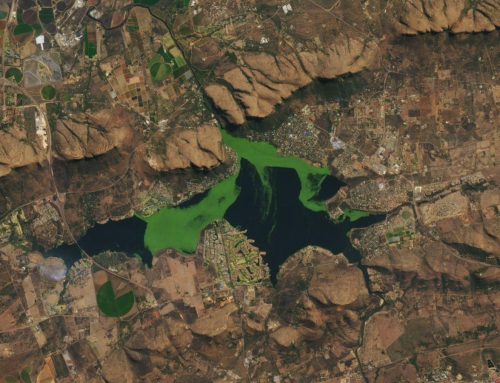
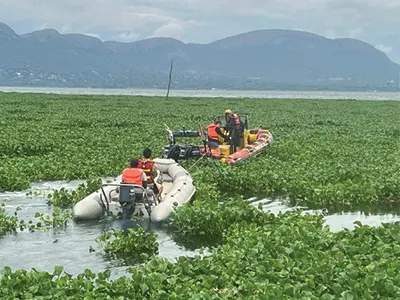
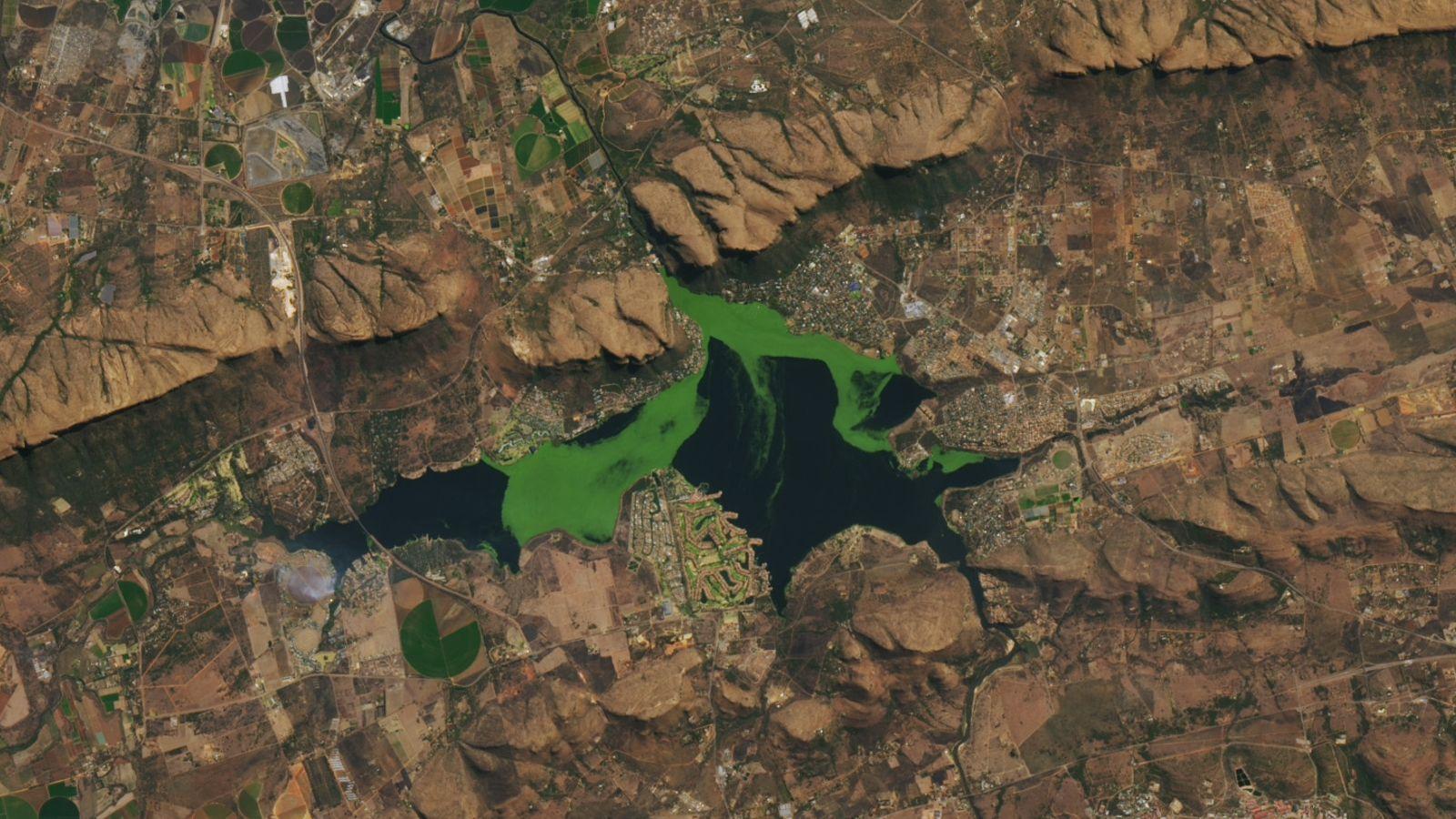
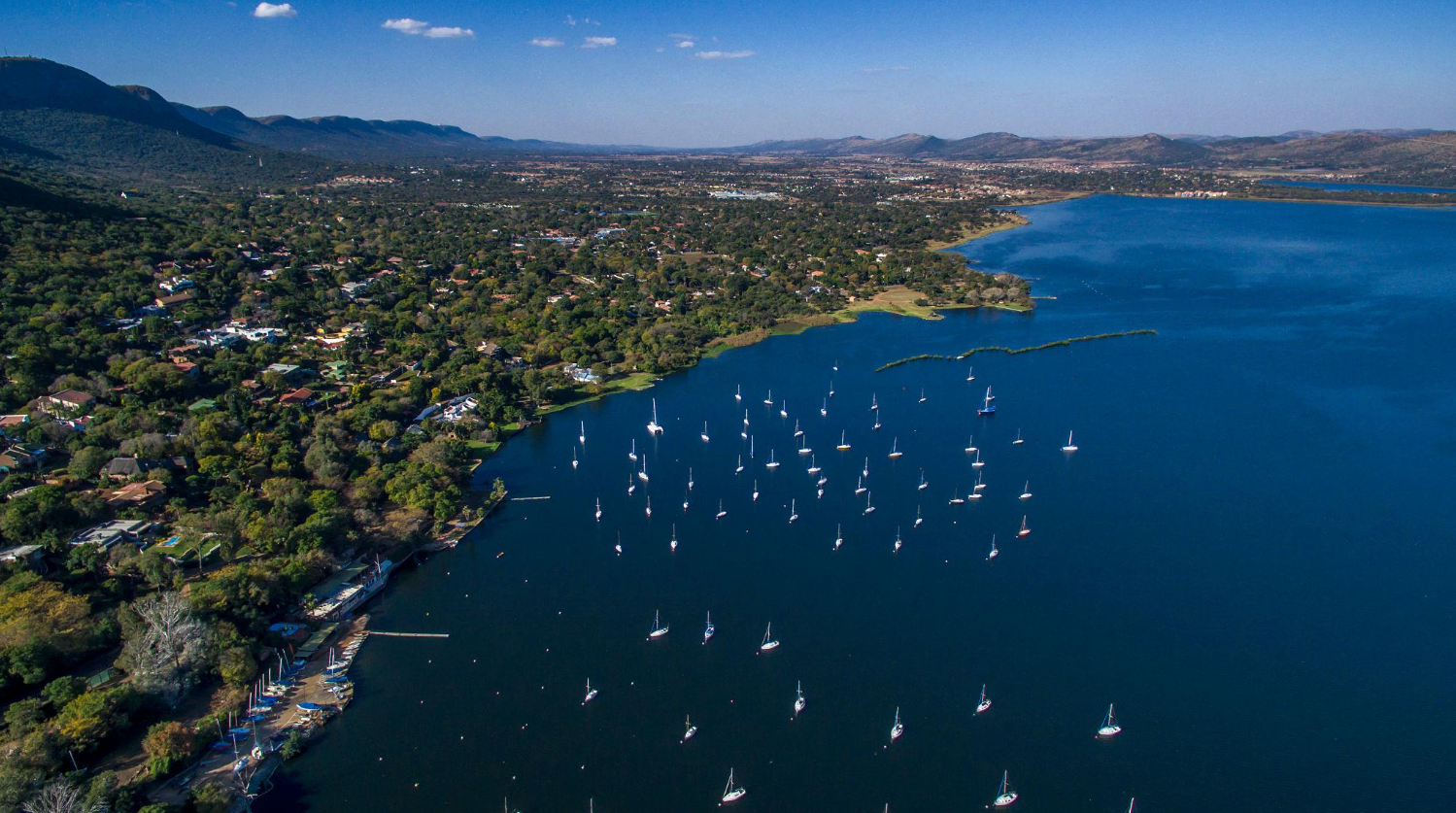
Hartbeespoort Dam has struggled for decades with excessive nutrient pollution, invasive aquatic plants and deteriorating water quality.
The recurring proliferation of water hyacinth and other invasive plants is a visible reminder of the environmental pressures facing the dam.
Although the biosphere designation does not automatically solve these problems, it provides a framework for cooperation between conservation organisations, scientists, municipalities, businesses and local communities.
The biosphere approach could support efforts to reduce erosion, rehabilitate wetlands, protect riverbanks and improve environmental awareness throughout the catchment.
However, tackling the dam’s water-quality problems still requires effective wastewater treatment, pollution control and coordinated action by the responsible authorities.
A healthier dam would benefit boating, fishing, tourism, waterfront businesses and residents who depend on the area remaining an attractive place to live.
4. Job creation and opportunities for young people
Environmental conservation and economic development are sometimes regarded as competing interests.
The biosphere concept demonstrates that the two can work together.
Sustainable development creates opportunities for employment in environmental rehabilitation, tourism, conservation, waste management, sustainable agriculture and environmental education.
Young people from Hartbeespoort, Skeerpoort, Broederstroom, Meerhof and surrounding communities could benefit from training in nature guiding, hospitality, indigenous plant cultivation and environmental management.
The biosphere’s management objectives specifically include improving quality of life through employment opportunities, education and training.
A practical example of the wider biosphere’s community-development approach is the Tlholego Eco-village and Learning Centre, which has offered training in permaculture and environmentally responsible land management.
Such initiatives demonstrate how conservation can help develop practical skills and support livelihoods.
5. Better planning and responsible development
Hartbeespoort has experienced substantial residential and commercial development, creating pressure on roads, water infrastructure, sewage systems and natural habitats.
The biosphere provides a valuable framework for considering the long-term environmental consequences of development.
Its management approach encourages cooperation between municipalities, landowners, conservation organisations and businesses.
This can help guide decisions about environmentally sensitive areas, tourism development, agriculture and the protection of scenic landscapes.
It is important to understand that UNESCO designation does not automatically prohibit development or replace South African planning and environmental legislation.
Instead, the biosphere provides an internationally recognised framework that can strengthen responsible planning and encourage authorities to consider environmental sustainability.
For residents, this could mean better protection of open spaces, natural landscapes and the qualities that make Hartbeespoort an attractive place to live.
6. Education, research and international cooperation
The Magaliesberg Biosphere forms part of UNESCO’s international network of biosphere reserves.
This creates opportunities for scientific cooperation, environmental research, education and the exchange of knowledge with other regions facing similar challenges.
For Hartbeespoort, research into water pollution, invasive species, biodiversity, climate change and sustainable land use could be particularly valuable.
Schools could participate in environmental education programmes, while universities and researchers could use the area for practical studies.
The Magaliesberg Biosphere organisation also identifies access to expertise, networks and potential funding as important advantages of biosphere status.
7. A stronger sense of community ownership
One of the most valuable aspects of the biosphere concept is that conservation is not left entirely to government.
Residents, farmers, landowners, businesses, schools and community organisations are encouraged to participate.
In Hartbeespoort, this could include river clean-ups, recycling programmes, invasive plant removal, indigenous tree planting and environmental awareness campaigns.
Local conservancies already demonstrate how communities can cooperate to protect natural areas while strengthening neighbourhood relationships.
The Magaliesberg Biosphere organisation identifies community participation, cooperation and volunteer involvement as important elements of successful conservation.
The challenge: Turning international recognition into local benefits
Despite the opportunities, UNESCO recognition alone is not enough to guarantee environmental protection or economic prosperity.
For the Hartbeespoort community to experience meaningful benefits, the biosphere needs active participation and practical projects that produce measurable results.
Local authorities must address pollution, infrastructure problems and environmentally damaging activities.
Businesses need to embrace responsible tourism and sustainable practices.
Residents must also recognise that protecting the region’s natural heritage is a shared responsibility.
Perhaps most importantly, communities should be able to see tangible benefits from the biosphere through employment, education, environmental improvements and economic opportunities.
Without these outcomes, international recognition risks becoming little more than an impressive title.
A valuable asset for Hartbeespoort’s future
The Magaliesberg Biosphere Reserve offers Hartbeespoort something that many towns can only dream of: internationally recognised natural heritage combined with substantial opportunities for tourism, conservation and sustainable economic development.
The challenge now is to make that recognition work for the people who call the area home.
If properly supported, the biosphere can help protect the mountains, improve environmental management, stimulate local businesses and create opportunities for future generations.
Hartbeespoort’s greatest asset has always been its natural setting — the magnificent Magaliesberg mountains, the dam, the wildlife and the surrounding countryside.
Protecting these assets is not simply an environmental obligation. It is an investment in the community’s economic future, quality of life and identity.
The Magaliesberg Biosphere is not just about protecting nature from people. It is about ensuring that people and nature can thrive together.
Further information: Magaliesberg Biosphere Reserve official website