When the sky explodes: The danger of thunderstorms over Hartbeespoort Dam
Dark clouds gathering over the Magaliesberg, brilliant flashes of lightning illuminating the water and thunder rolling across the mountains are familiar sights to Hartbeespoort residents during the summer months. But behind these spectacular displays of nature lies a potentially deadly danger.
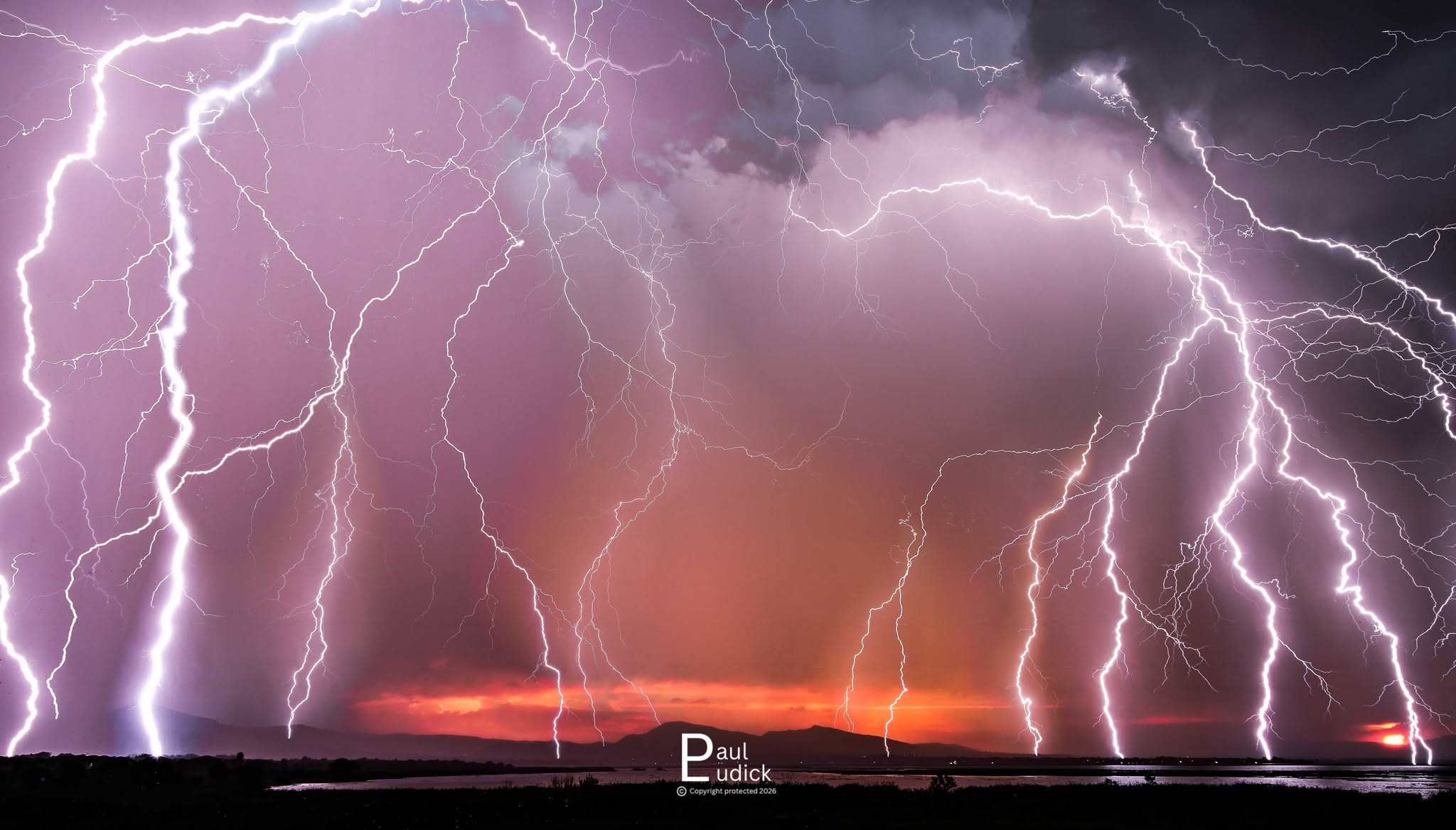
Dramatic lightning illuminates the sky over Hartbeespoort Dam as summer thunderstorms develop above the Magaliesberg. Photo: Paul Ludick
Hartbeespoort Dam is one of the most picturesque destinations in North West, surrounded by mountains and popular with boating enthusiasts, anglers, hikers and holidaymakers. However, when summer thunderstorms sweep across the region, the tranquil landscape can turn into a dangerous environment within minutes.
The combination of towering thunderclouds, intense lightning, torrential rain and sudden gusts of wind makes severe thunderstorms one of the most significant seasonal weather hazards around the dam.
For those caught on the water, along the shoreline or on the surrounding mountain slopes, the consequences can be serious.
Why are thunderstorms so intense over Hartbeespoort?
The Hartbeespoort region lies within South Africa’s summer rainfall area, where warm, moisture-laden air and atmospheric instability create ideal conditions for thunderstorms.
During hot summer afternoons, the ground heats up, causing warm air to rise. When sufficient moisture is present, this rising air cools and condenses, forming towering cumulonimbus clouds that can reach heights of more than 10 kilometres.
These clouds can produce heavy downpours, hail, damaging winds and frequent lightning.
The surrounding Magaliesberg and Witwatersberg mountain ranges can influence local airflow and storm development, although the intensity of individual storms depends on broader atmospheric conditions.
As storm clouds build over the mountains, the resulting lightning can create a spectacular display, with flashes illuminating the ridges and reflecting across the dam.
However, these storms are far more than a dramatic photographic opportunity.
Lightning: The invisible killer
South Africa is known for its high lightning activity in many summer rainfall regions, particularly across the Highveld.
Lightning occurs when electrical charges build up within thunderclouds and discharge either within the clouds or between the clouds and the ground.
A lightning discharge can heat the surrounding air to approximately 30,000°C, several times hotter than the surface of the sun. The rapid expansion of this heated air produces the thunder heard across the valley.
One of the greatest misconceptions about lightning is that it only poses a danger directly beneath a storm.
In reality, lightning can strike several kilometres away from the heaviest rainfall, sometimes while the sky overhead still appears relatively clear.
If you can hear thunder, you are close enough to a thunderstorm to be at risk of lightning.
For residents and visitors around Hartbeespoort Dam, this is particularly important because many recreational activities take place outdoors or on exposed terrain.
A serious danger for boaters and anglers
Hartbeespoort Dam is a popular destination for sailing, waterskiing, fishing, kayaking and recreational boating.
Unfortunately, these activities can become extremely dangerous when thunderstorms approach.
People on boats are particularly exposed because they are often in open areas with limited access to suitable shelter. Sailing masts, fishing rods and other elevated equipment can add to the danger.
Lightning striking the water can also injure people nearby through electrical currents spreading from the strike.
Strong winds present another hazard. Thunderstorms can generate sudden downdrafts that produce powerful gusts across the water, creating choppy conditions and making smaller vessels difficult to control.
Boaters should never wait until a storm is directly overhead before returning to shore.
At the first signs of an approaching thunderstorm, they should head for a safe landing point and seek shelter in a substantial building or fully enclosed vehicle.
The mountains add another dimension
The Magaliesberg is a favourite destination for hikers, climbers and outdoor enthusiasts, but its exposed ridges can become dangerous during electrical storms.
Hikers standing on high ground may be particularly vulnerable to lightning strikes.
Rocky outcrops, isolated trees and exposed mountain summits offer little protection.
Lightning can also travel through the ground after striking nearby, potentially injuring people who are not directly hit.
The safest approach is to check weather forecasts before setting out and plan hikes to avoid the afternoon thunderstorm period when conditions are unstable.
When storms bring more than lightning
Although lightning attracts most of the attention, severe thunderstorms can also produce destructive winds, hail and flash flooding.
Heavy rainfall over the Magaliesberg catchment can send water rushing into streams and drainage channels feeding Hartbeespoort Dam.
Low-lying roads, bridges and areas with poor drainage can become hazardous during intense downpours.
Strong winds may also damage roofs, uproot trees and bring down electrical infrastructure, resulting in power interruptions.
The South African Weather Service has warned that thunderstorms across the country’s interior can produce heavy rain, hail and excessive lightning. Its forecast for 3 November 2026 included isolated thunderstorms in North West, with scattered activity in the southeast of the province. This does not, however, establish that a severe storm warning was issued specifically for Hartbeespoort.
SAnews+1
Lightning tragedies highlight the danger
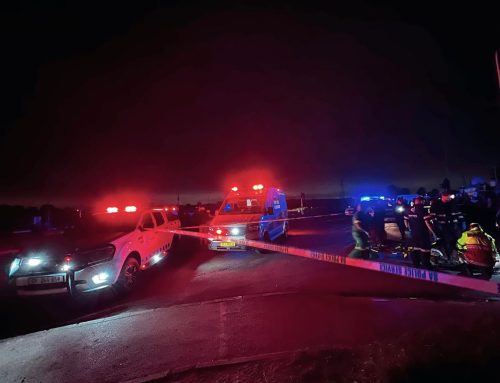
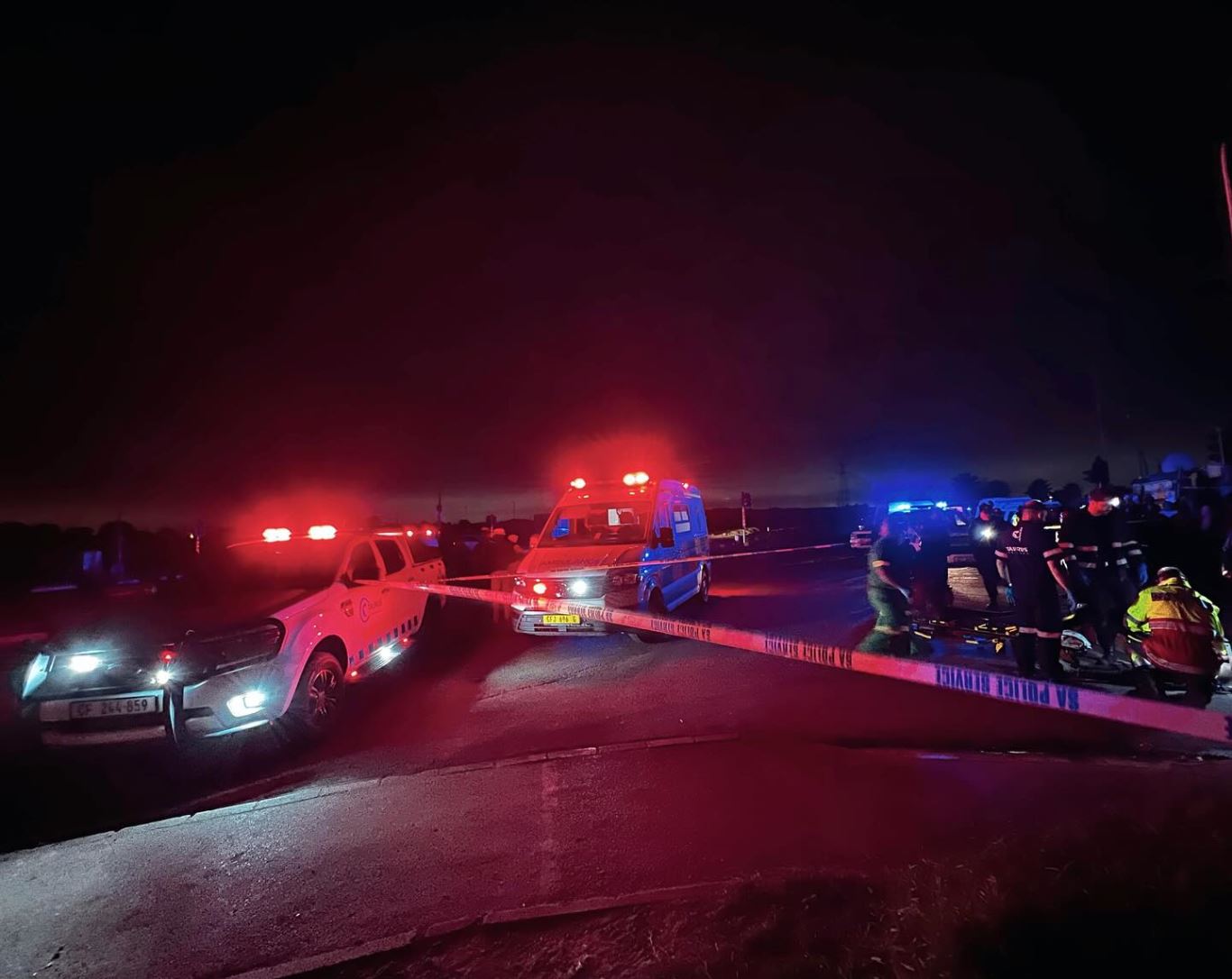
The dangers of lightning were tragically illustrated in January 2026 when approximately 40 people were reportedly struck by lightning during an incident near Hammanskraal.
The South African Weather Service subsequently highlighted the risks associated with outdoor gatherings during thunderstorms.
According to the weather service, lightning activity across much of North West, Gauteng and the Free State is characteristic of the Highveld’s summer climate, where afternoon and evening thunderstorms are common.
The incident serves as a reminder that lightning is not merely a spectacular natural phenomenon, but a potentially fatal threat.
SAnews+1
How to stay safe during a thunderstorm
The South African Weather Service recommends taking immediate precautions when thunder is heard.
-
Get off the water: Stop boating, fishing and swimming and seek safe shelter.
-
Avoid exposed areas: Stay away from mountain ridges, open fields, isolated trees and metal fences.
-
Find proper shelter: A substantial building or fully enclosed vehicle is safer than a gazebo, tent or open-sided shelter.
-
Protect yourself indoors: Avoid using plugged-in electrical equipment and plumbing during active lightning.
-
Wait before going outside: Remain sheltered for at least 30 minutes after the last thunder.
-
Help lightning victims: A person struck by lightning does not retain an electrical charge. Call emergency services and begin CPR if necessary and you are trained.
These precautions are supported by the South African Weather Service and international lightning safety guidance.
A spectacular but dangerous part of Hartbeespoort summers
There is something undeniably magnificent about a thunderstorm over Hartbeespoort Dam.
The sight of dark storm clouds gathering behind the Magaliesberg, followed by brilliant flashes of lightning stretching across the sky, is one of the region’s most dramatic natural spectacles.
For photographers, the storms offer extraordinary opportunities to capture the raw power of nature, provided photographs are taken from a safe, enclosed location.
For residents, they bring welcome summer rain and relief from the heat.
But they also demand respect.
As the summer thunderstorm season gathers momentum, Hartbeespoort residents and visitors are reminded that the beauty of lightning should never overshadow its dangers.
The next time thunder rolls across Hartbeespoort Dam, remember: the safest place to admire the spectacle is from indoors.