These ancient, striking plants are a popular feature in South African gardens, but many pet owners are unaware that they can pose a deadly danger to their dogs.
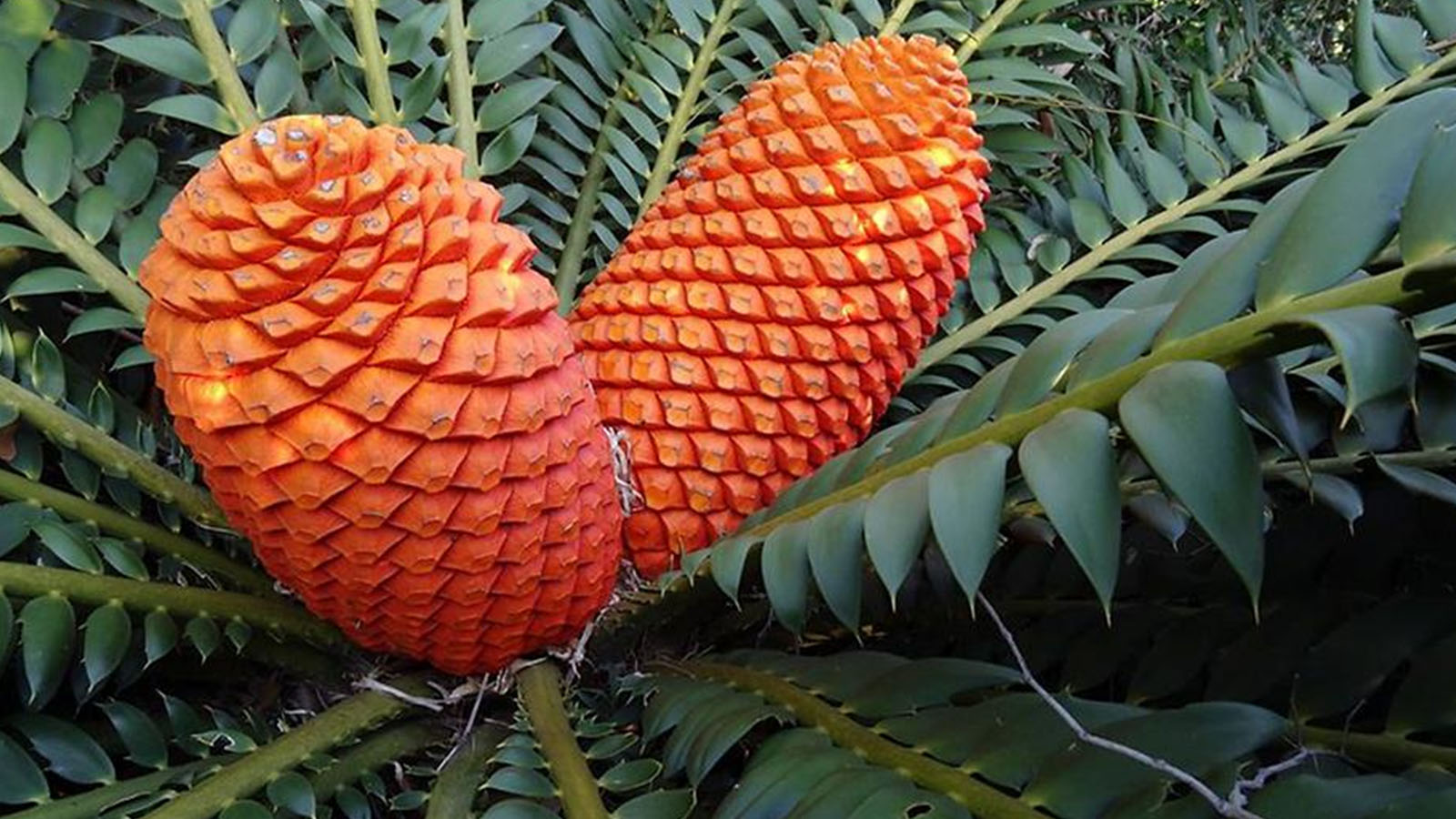
Cycads, commonly known as broodbome in Afrikaans, are among the most distinctive plants found in South African gardens. With their stiff, palm-like leaves and impressive cones, they add a prehistoric charm to any landscape.
However, behind their attractive appearance lies a serious danger that every dog owner should know about.
Cycads are highly poisonous to dogs, and even a small amount of plant material can cause severe illness, liver failure and death.
For pet owners in Hartbeespoort, Brits and surrounding areas, where indigenous cycads are sometimes used as ornamental garden plants, the warning is particularly relevant.
An ancient plant with a dangerous secret
Cycads are often mistaken for palms, but they belong to a much older group of plants that existed long before flowering plants became widespread.
South Africa is home to numerous indigenous cycad species, particularly those belonging to the genus Encephalartos.
These slow-growing plants are prized for their unusual appearance and can become valuable features in established gardens.
Unfortunately, their beauty can be deceptive.
All parts of a cycad should be regarded as poisonous to dogs, including the leaves, stems, roots and seeds.
The seeds are particularly dangerous because they can contain high concentrations of toxic compounds and may attract curious dogs.
What makes cycads so dangerous?
Cycads contain several toxic substances, including cycasin, which can cause severe damage to the liver.
When a dog chews or swallows part of the plant, these toxins can enter its digestive system and cause potentially life-threatening poisoning.
The effects may develop rapidly, but serious liver damage can also become apparent only after the initial symptoms.
Dogs do not have to consume an entire plant to become seriously ill.
Chewing on a seed or swallowing even a relatively small amount of cycad material can be enough to cause severe poisoning.
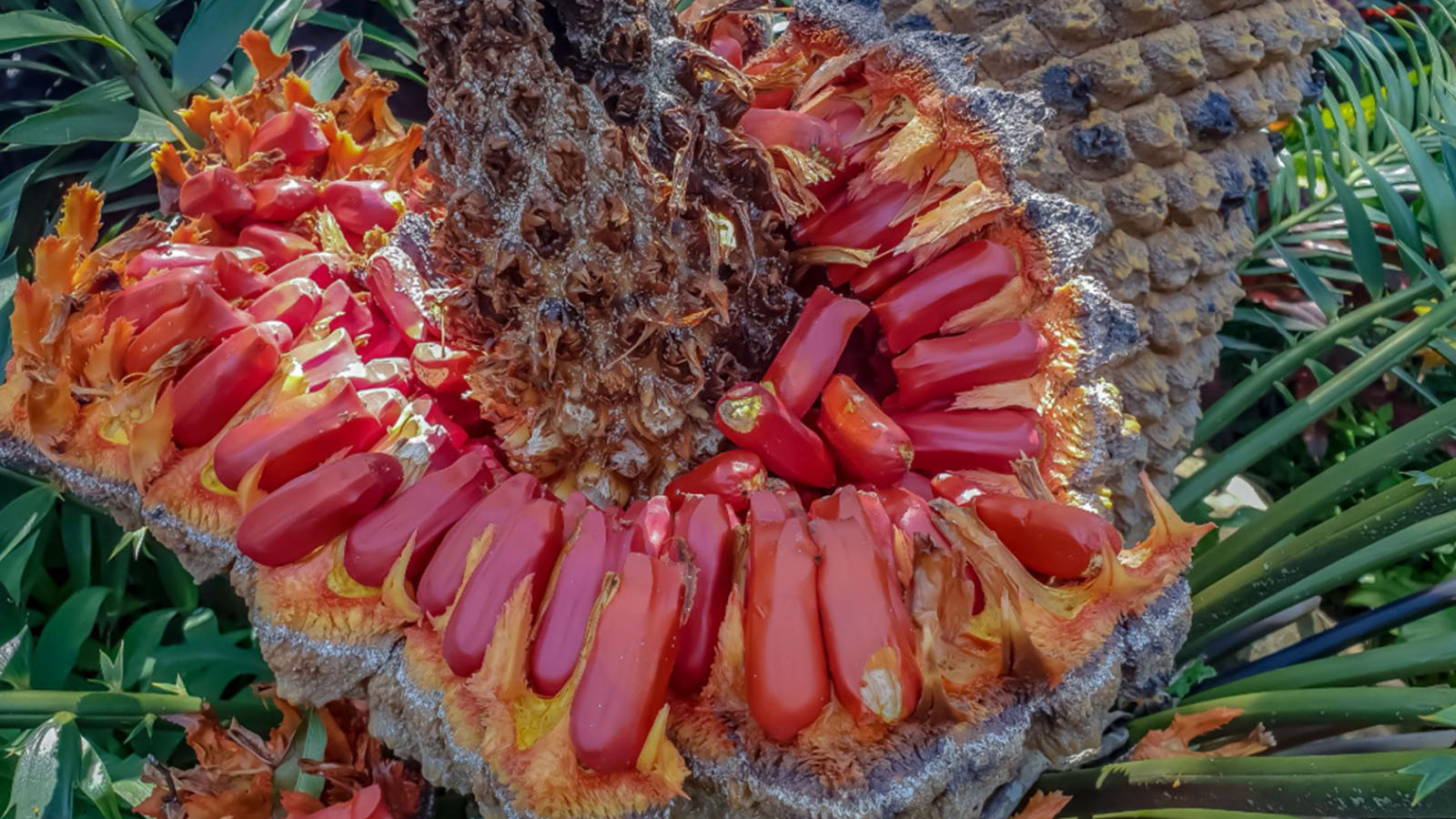
The brightly coloured seeds of cycads can be particularly dangerous to dogs if chewed or swallowed.
Warning signs of cycad poisoning
Symptoms can appear within hours of ingestion, although some complications may take longer to develop.
Dog owners should watch for:
-
Vomiting, sometimes containing blood
-
Diarrhoea or bloody stools
-
Excessive drooling
-
Loss of appetite
-
Weakness and lethargy
-
Abdominal discomfort
-
Yellowing of the eyes or gums, indicating possible liver damage
-
Tremors, seizures or collapse in severe cases
Not every dog will show all these symptoms.
A dog may initially appear relatively healthy even while serious internal damage is developing.
This makes early veterinary treatment essential.
What should you do if your dog eats a cycad?
If you suspect your dog has chewed or swallowed any part of a cycad, treat the situation as a veterinary emergency.
Do not wait for symptoms to appear.
Contact your veterinarian or the nearest emergency veterinary clinic immediately and explain that you suspect cycad poisoning.
If possible, take a photograph of the plant or safely collect a sample to help the veterinarian identify it.
Do not attempt to make your dog vomit unless specifically instructed to do so by a veterinarian.
Home remedies, including milk, oil or salt, should never be used as substitutes for professional treatment.
There is no specific antidote for cycad poisoning. Veterinary treatment may include measures to reduce toxin absorption, intravenous fluids, liver-supportive treatment and careful monitoring of liver function and blood clotting.
The sooner treatment begins, the better the chances of recovery, although severe cases can still be fatal.
Are cycads safe to keep in a garden with dogs?
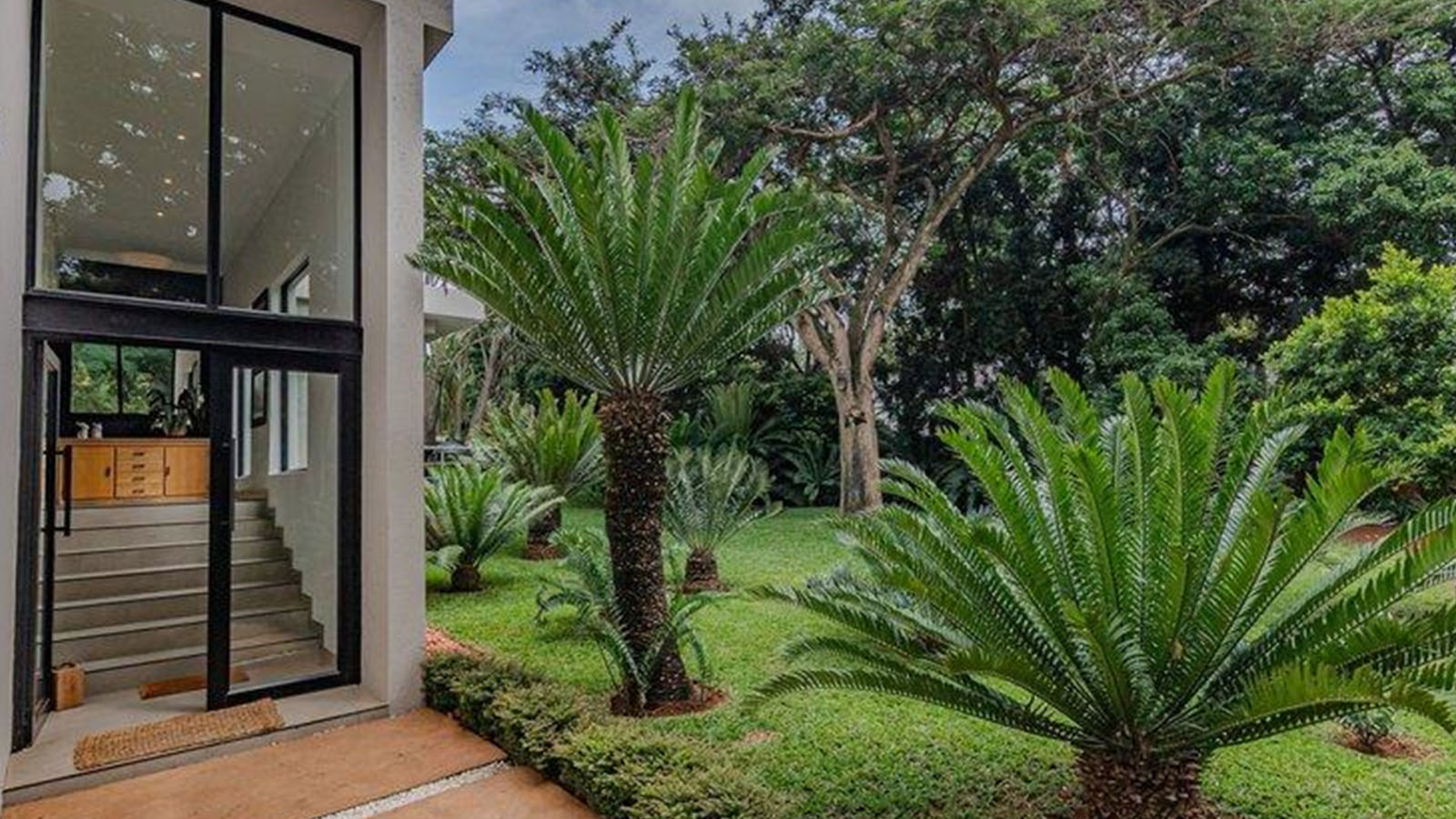
Many homeowners have kept cycads in their gardens for years without experiencing problems.
However, the risk increases when dogs have unrestricted access to the plants.
Puppies and younger dogs are particularly vulnerable because they tend to investigate their surroundings by chewing unfamiliar objects.
Dogs that dig around plants or play with fallen seeds may also be exposed.
The safest option is to prevent dogs from accessing cycads entirely.
Where this cannot be guaranteed, homeowners should consider whether keeping these plants in a pet-accessible garden is worth the risk.
Simply removing fallen seeds does not eliminate the danger because the rest of the plant is also toxic.
Important: Cycads are protected plants
South African homeowners should also remember that many indigenous cycads are legally protected.
Species of Encephalartos are subject to conservation controls, and removing, transporting, selling or relocating plants may require permits under applicable legislation.
Some species are critically endangered because of habitat loss and illegal plant collecting.
Homeowners who want to remove or relocate a cycad should first consult the relevant provincial conservation authority and obtain any required authorisation.
A warning worth sharing
Cycads are magnificent reminders of South Africa’s ancient natural heritage, but their presence in residential gardens requires special care when pets are involved.
For dog owners, awareness can make the difference between a harmless afternoon in the garden and a veterinary emergency.
The message is simple: If you have dogs and cycads in the same garden, make sure your pets cannot reach the plants or their seeds.
A beautiful garden should also be a safe garden for every member of the family — including those with four legs.
ALSO SEE: Watch out for your cycads – the Leopard moth is back