For generations, the Magaliesberg mountains have stood as a familiar landmark above Hartbeespoort. But few people know the fascinating story behind their name — a story involving a powerful African chief, early settlers and the turbulent history of the region.
A mountain range named after a chief
The name Magaliesberg is generally believed to have originated from the name of a prominent Tswana-speaking chief, Mohale, whose name was recorded in different forms by early European travellers and settlers, including Mogale and Magali.
Chief Mogale was associated with the communities living along the southern slopes of the mountain range during the early nineteenth century.
Over time, the mountains became known as Mogale’s mountains, or Magaliesberg, combining a form of the chief’s name with the Afrikaans and Dutch word berg, meaning mountain.
The name is therefore more than a geographical description. It preserves the memory of an African leader whose people occupied the region long before the establishment of the towns and settlements we know today.
Who was Chief Mogale?
Kgosi Mogale wa Mogale was a leader of the Bapo people, whose territory extended across parts of what are now Gauteng and North West.
The Bapo were established in the region long before European settlement. They lived in communities that depended on cattle farming, crop cultivation and trade.
Mogale’s life was shaped by a period of considerable conflict in southern Africa.
During the 1820s and 1830s, the region came under the influence of the Ndebele kingdom established by Mzilikazi. Many local communities were displaced, including the Bapo.
According to the historical account published by Mogale City Local Municipality, the young Mogale was taken captive following the defeat of his people, but was later rescued and taken to safety south of the Vaal River.
He subsequently became an important figure in the efforts of his people to regain their ancestral territory.
His name survived these conflicts and became permanently associated with the mountains.
Before Magaliesberg, there was Cashan
Interestingly, Magaliesberg was not always the name used for the mountain range.
Early European records referred to the mountains as the Cashan Mountains, a name associated with an earlier local chief, whose name appears in historical records as Khashane or Kgwasane.
The Dictionary of Southern African Place Names confirms that the range was formerly known as the Cashan Mountains before being named after Chief Mohale.
Other historical names and spellings include Macalisberg and Dithaba Diloka, reflecting the different communities and languages associated with the region.
How Mogale became Magaliesberg
When Voortrekkers began settling in the region during the nineteenth century, they encountered local African communities and adopted or adapted many existing place names.
The name Mohale or Mogale was gradually rendered as Magali or Magalie in European usage.
The Afrikaans possessive form and the word berg were combined to produce Magaliesberg — literally, Magalie’s mountain.
The Dictionary of South African English supports this explanation, tracing Magaliesberg to the adaptation of Mohale’s name into Magali or Magalie.
Historical research identifies a document dated 9 October 1845, signed by Voortrekker leader Andries Hendrik Potgieter, as an early recorded use of the name Magaliesberg.
This suggests that the name had become established among settlers by the middle of the nineteenth century.
A name that remains part of Hartbeespoort’s identity
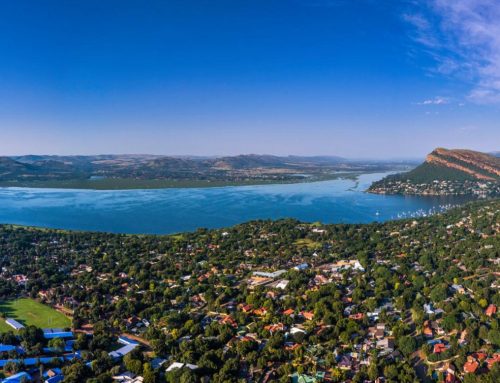
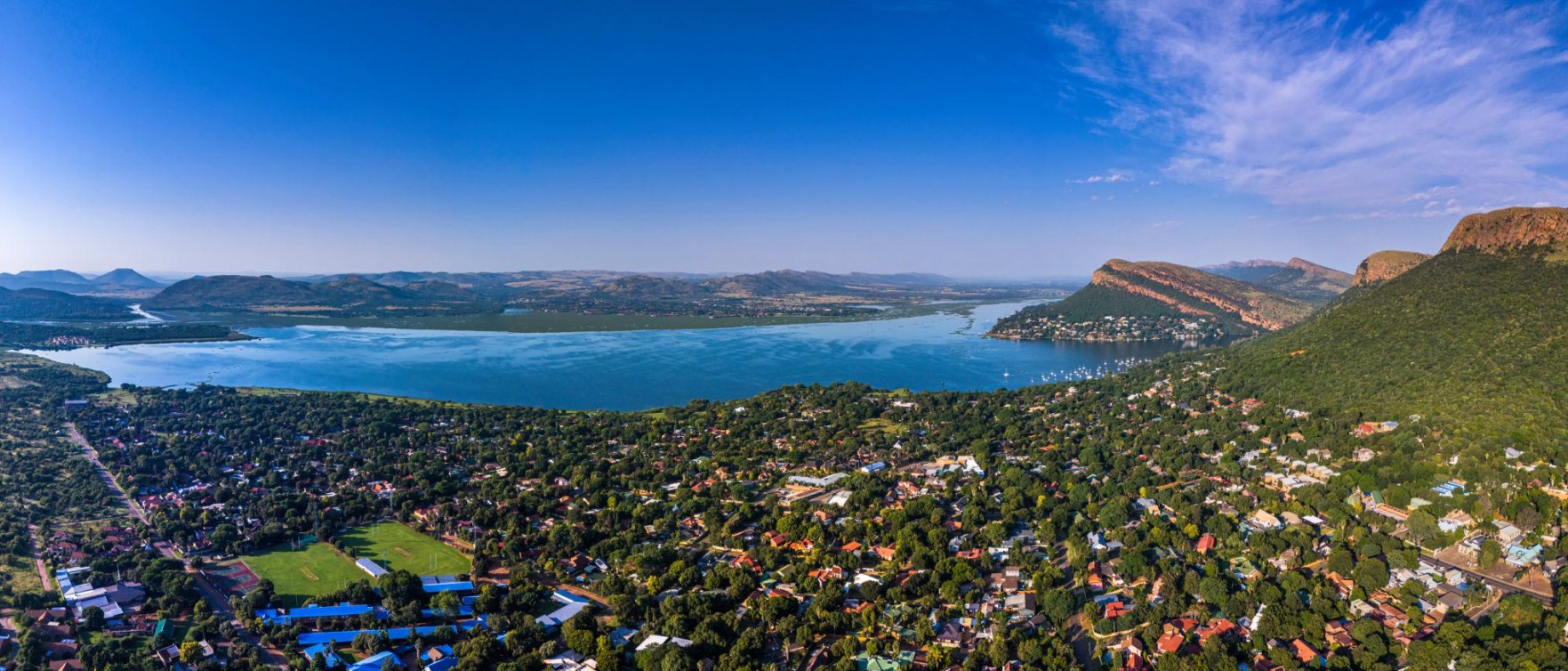
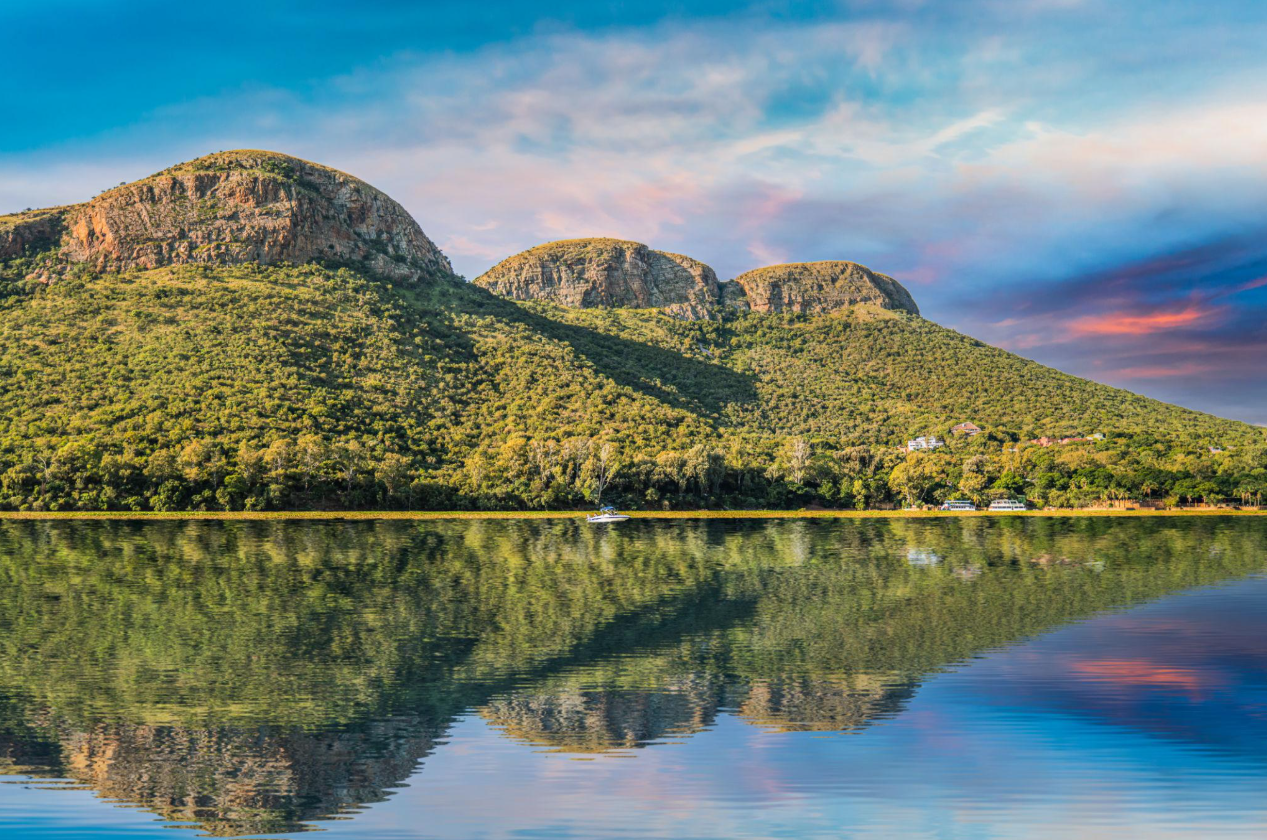
Today, the Magaliesberg forms one of the most recognisable features of the Hartbeespoort landscape.
The mountains rise dramatically above the dam, with their ridges, cliffs and passes shaping the geography and history of the area.
For centuries, the mountain passes provided routes between the Highveld to the south and the Bushveld to the north.
These routes were used by indigenous communities, traders, hunters, settlers and, later, military forces.
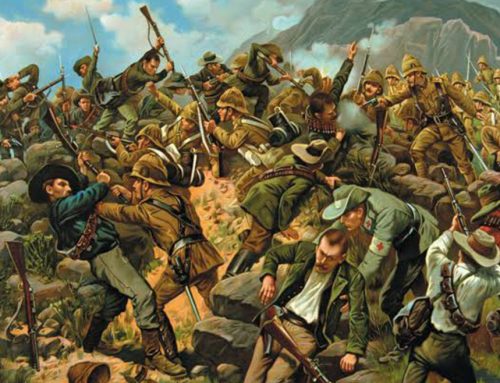
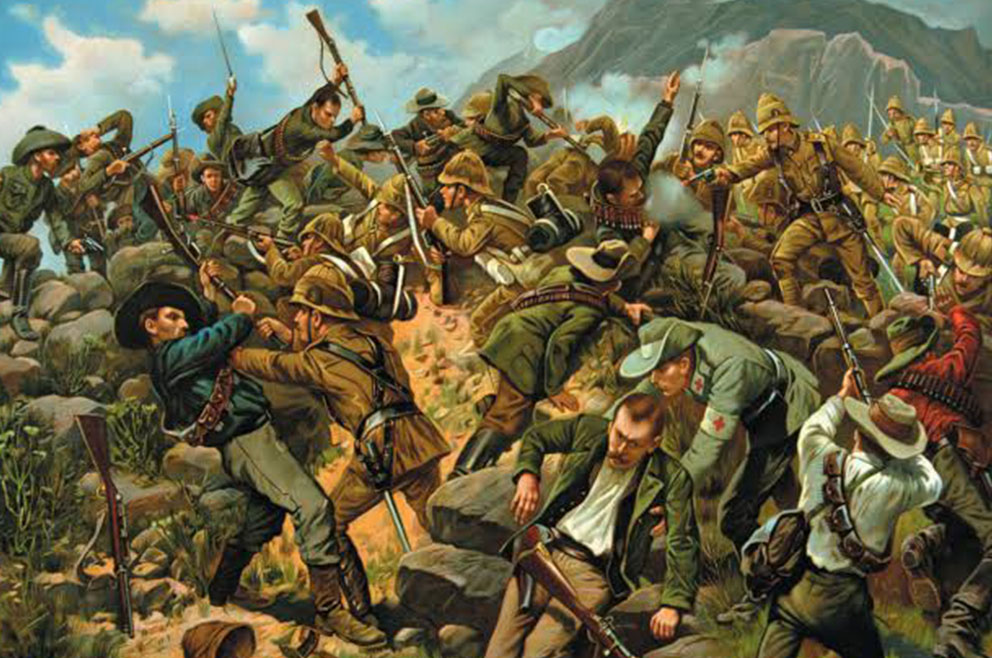
During the South African War of 1899–1902, the mountains became strategically important as Boer and British forces fought for control of the passes and surrounding valleys.
Places such as Silkaatsnek, Kommandonek and other mountain crossings still carry reminders of that turbulent history.
But the name Magaliesberg reaches further back than these battles, connecting the modern landscape with the African communities that once controlled the region.
Should Magaliesberg be called Mogalesberg?
The spelling of the mountain range’s name has itself become a subject of historical debate.
Some historians and heritage organisations argue that Magaliesberg is a European adaptation of the original name and that Mogalesberg would more accurately honour Kgosi Mogale.
In fact, Kormorant previously reported on an application to change the mountain range’s name.
The debate raised questions about the historical spelling, the role of the Bapo people and the claims of other communities with longstanding connections to the mountains.
The proposal also highlighted the need for public participation because the mountain range extends across provincial boundaries.
The historical discussion is therefore about more than spelling. It concerns whose history is remembered and how that history is represented in South Africa’s geographical names.
An ancient mountain range with a relatively recent name
Although the name Magaliesberg dates from the nineteenth century, the mountains themselves are vastly older.
The range forms part of an ancient geological landscape that existed long before humans inhabited southern Africa.
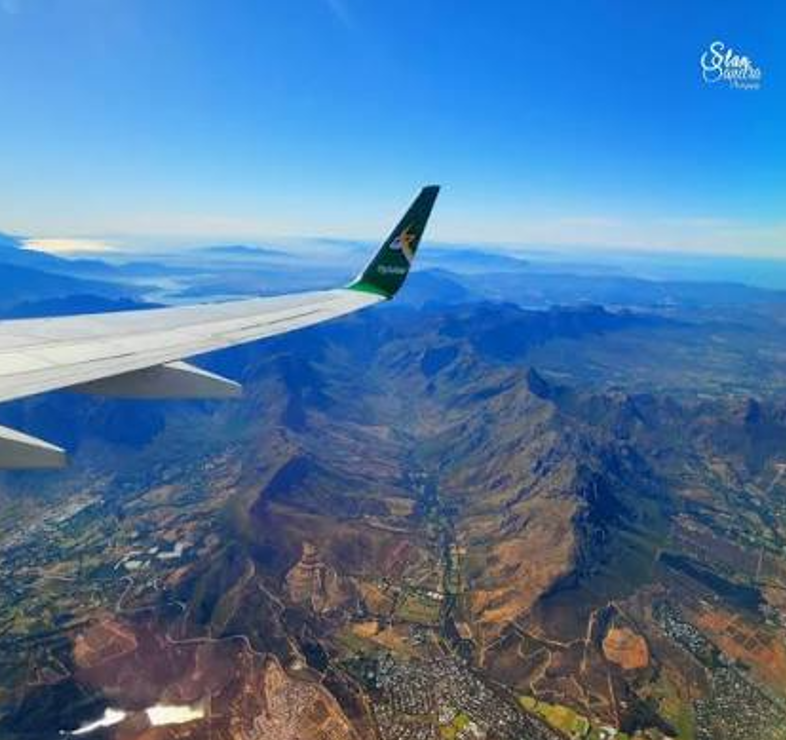
In 2015, the Magaliesberg region received international recognition when UNESCO designated it a Biosphere Reserve.
This recognition acknowledged the area’s ecological importance, biodiversity and relationship between people and the natural environment.
For the Hartbeespoort community, the mountains are more than a scenic backdrop. They are part of the region’s identity, tourism economy and cultural heritage.
A chief’s name written across the landscape
Every time residents speak of the Magaliesberg, they unknowingly recall a chapter of South African history.
The name carries the legacy of Kgosi Mogale, the Bapo people, the arrival of European settlers and the transformation of the region over nearly two centuries.
It is a reminder that familiar place names often contain stories far older and more complex than we imagine.
And perhaps the next time we look across Hartbeespoort Dam towards the towering Magaliesberg, we should remember that these mountains do not simply carry a name.
They carry the memory of a people and their chief.