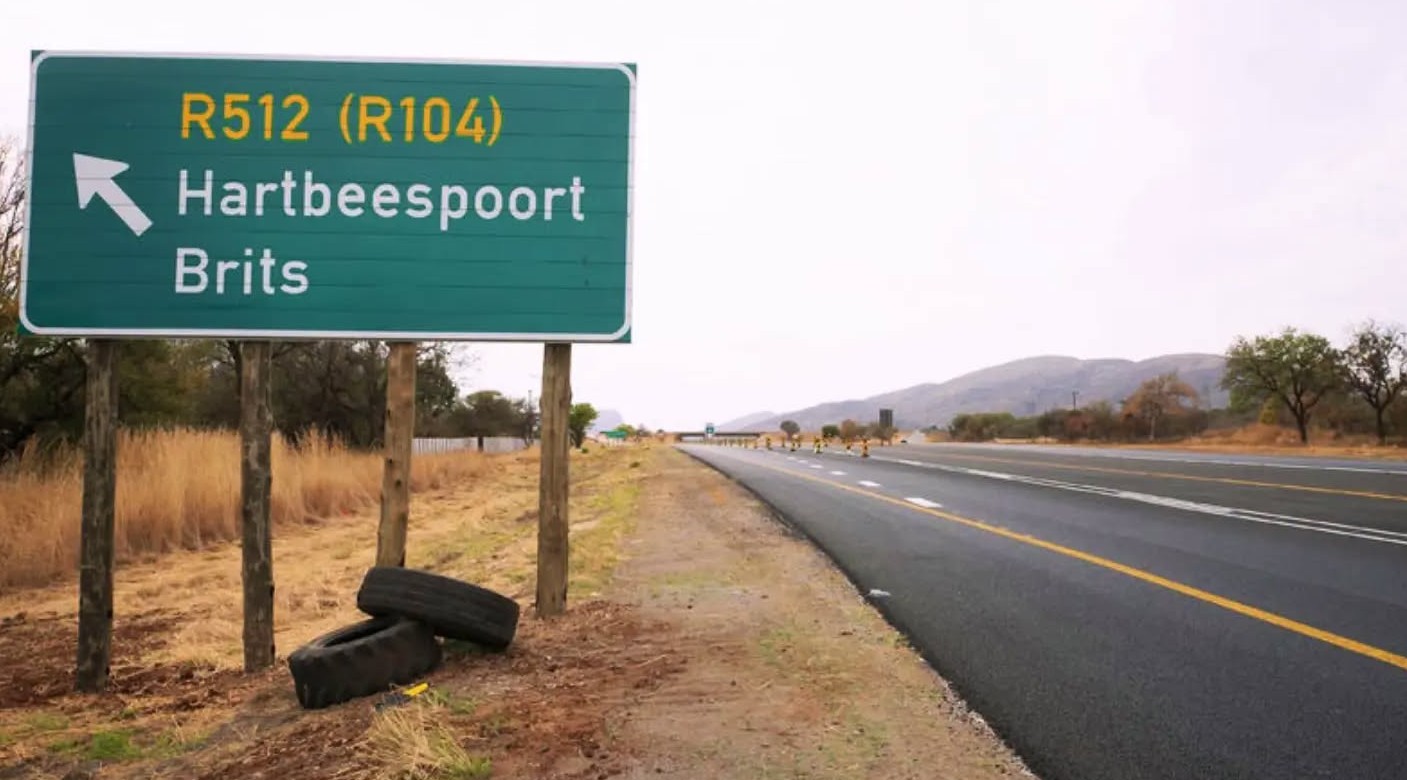
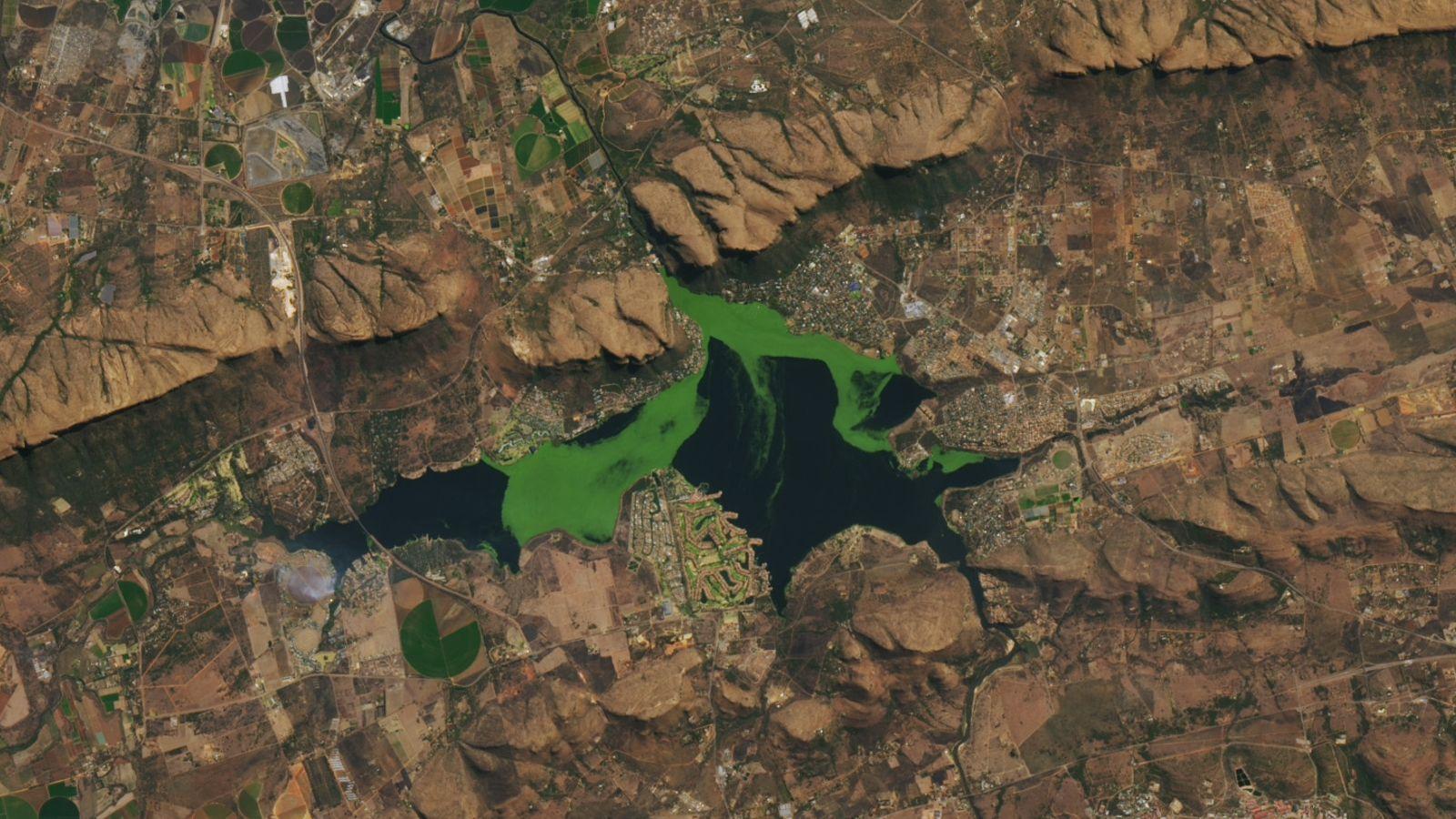
Illegal fishing nets are threatening aquatic life, damaging boats and placing the lives of recreational water users at risk on Hartbeespoort Dam. Despite major law enforcement operations, the problem remains a serious concern for the community.
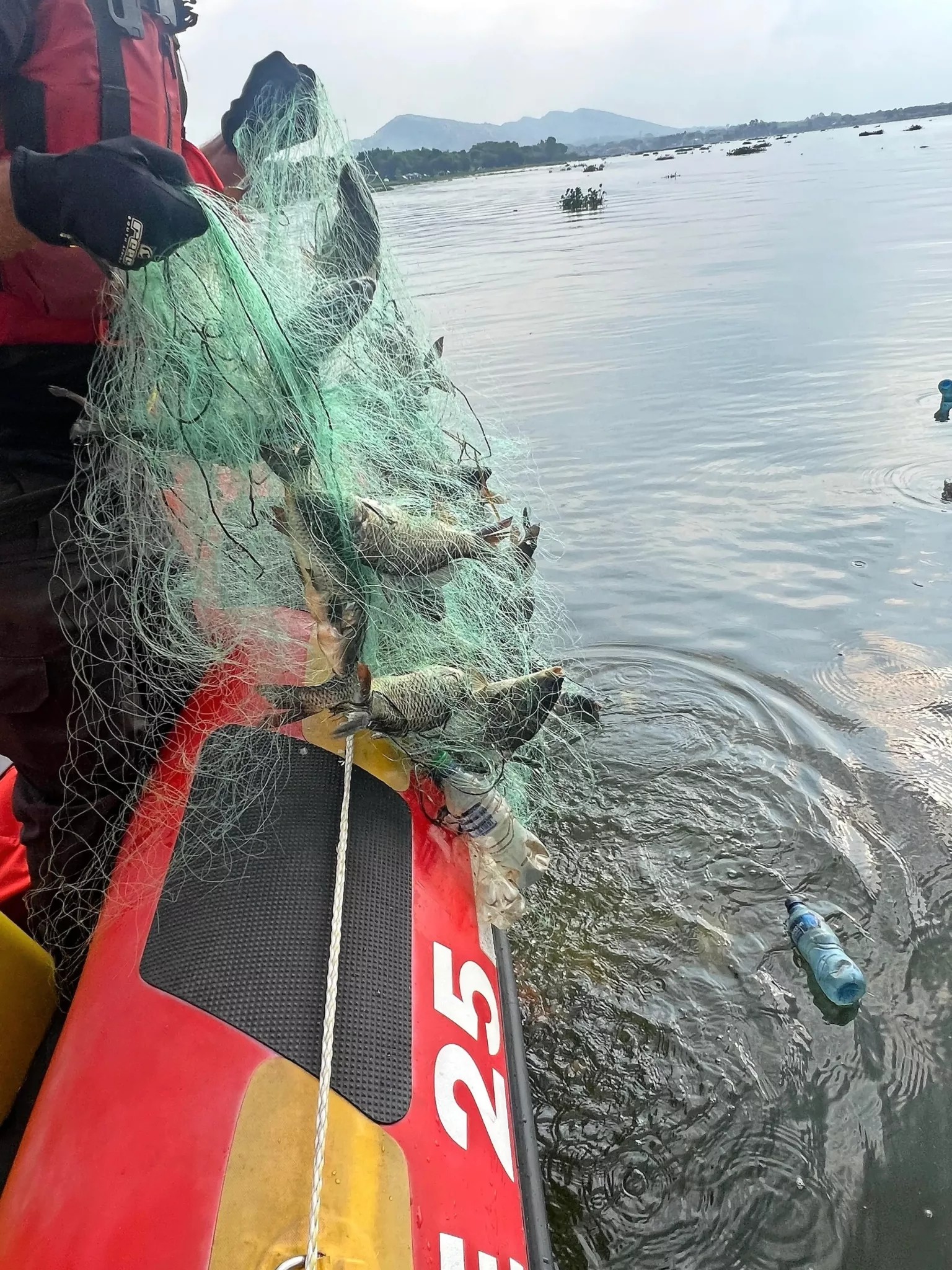
The NSRI removed 400 metres of illegal fishing nets.
Hartbeespoort Dam, one of North West’s most popular recreational destinations, is facing a threat that lurks beneath the water’s surface: illegal fishing nets.
While the dam’s ongoing battle against water hyacinth and pollution attracts considerable attention, illegal net fishing presents another serious challenge for conservation authorities, boat owners, anglers and rescue organisations.
The nets, often difficult to detect from the surface, can become entangled in boat propellers, trap aquatic animals and create potentially life-threatening situations for people using the dam.
Major crackdown on illegal fishing
The extent of the problem was highlighted in October 2025 when a multi-agency law enforcement operation resulted in the arrest of 18 suspects and the confiscation of boats and kilometres of illegal fishing nets.
The operation formed part of the South African Police Service’s Operation Shanela and involved several organisations, including the police, the Hartbeespoort Dam Marine Law Enforcement Unit, SRU Security, environmental authorities, North West Parks, Home Affairs and Madibeng.
According to police spokesperson Constable Ben Moabi, the suspects were arrested for offences involving illegal fishing and immigration.
Law enforcement officials discovered locations used by illegal fishermen to conceal their activities. Many suspects fled when enforcement teams approached.
Live fish recovered during the operation were returned to the dam, while other confiscated fish were disposed of at the Hartbeespoort police station.
The operation demonstrated both the scale of illegal fishing activities and the considerable resources required to combat them.
A deadly threat to boaters
Arthur Crewe, associated with the Hartbeespoort Dam Marine Law Enforcement Unit and the National Sea Rescue Institute (NSRI), has previously warned about the dangers posed by illegal fishing nets.
According to Crewe, nets have repeatedly become entangled in boat propellers, leaving vessels stranded and requiring assistance from rescue crews.
During one incident, a marine law enforcement officer was injured after an enforcement vessel became caught in illegal nets.
The danger is particularly serious because nets may be almost invisible to approaching boaters.
A boat travelling across the dam can suddenly lose propulsion when its propeller becomes entangled in a submerged net. Depending on weather conditions and the vessel’s location, such an incident can quickly escalate into an emergency.
The consequences can be even more severe for people in smaller craft, including canoes and kayaks.
In July 2022, a fisherman disappeared after his canoe reportedly became entangled in illegal fishing nets near Eagle Waters in Broederstroom. The canoe took on water and sank while his family watched from the shore.
The incident highlighted the potentially fatal consequences of submerged nets.
Devastating consequences for fish populations
Illegal fishing nets are not only dangerous to people. They can also have a destructive effect on aquatic ecosystems.
Unlike conventional recreational angling, where fish are caught individually, gillnets can capture large numbers of fish indiscriminately.
The nets generally consist of fine mesh suspended vertically in the water, with floats at the top and weights at the bottom.
Fish swimming into the mesh become trapped, often around their gills.
Because the nets do not selectively target individual fish, juvenile fish and unintended species may also be caught.
This can interfere with breeding populations and the long-term sustainability of fish stocks.
Another concern is the phenomenon known as ghost fishing.
When nets are abandoned, lost or deliberately left in the water, they can continue trapping and killing fish and other aquatic animals long after the fishermen have departed.
South Africa’s Department of Forestry, Fisheries and the Environment identifies illegal gillnetting as a significant threat to aquatic biodiversity and public safety.
Water hyacinth makes the danger worse
Hartbeespoort Dam’s extensive water hyacinth infestation adds another dimension to the problem.
Thick floating mats of vegetation can conceal fishing nets, ropes and other submerged obstacles.
As the hyacinth moves across the dam under changing wind conditions, it can also make previously navigable areas difficult or dangerous to access.
In a November 2025 safety warning, the NSRI specifically identified illegal fishing nets hidden among water hyacinth as one of the dangers facing boaters.
The organisation warned that vessels trapped in dense vegetation could suffer engine damage and that rescue operations were becoming increasingly difficult.
The combination of invasive plants and submerged fishing nets creates a particularly hazardous environment for recreational boaters.
What does the law say?
Fishing with gillnets or other high-volume fishing nets is not automatically permitted at South Africa’s government waterworks.
Regulations published in January 2026 provide that such fishing, including commercial fishing, requires the relevant water-use authorisation and consent from environmental authorities.
The Department of Water and Sanitation’s resource management documentation for Hartbeespoort Dam also specifically identifies illegal net fishing as an unlawful activity affecting the dam.
This distinction is important: lawful recreational fishing should not be confused with unauthorised large-scale net fishing.
Enforcement remains essential
Although the October 2025 operation resulted in significant arrests and confiscations, sustained enforcement is necessary to prevent illegal fishing activities from continuing.
Authorities face the challenge of monitoring a large body of water with numerous access points and stretches of shoreline.
Illegal nets may be deployed in secluded areas or concealed among aquatic vegetation, making detection difficult.
Effective enforcement requires cooperation between the police, conservation authorities, marine law enforcement officials, security organisations and the public.
It also requires action against the illegal deployment of nets rather than relying solely on removing equipment after it has been discovered.
The October 2025 operation demonstrated what coordinated enforcement can achieve, but its long-term effectiveness will depend on continued monitoring and follow-up action.
Public urged to report suspicious activities
Residents, anglers and boat owners can play an important role by reporting suspected illegal fishing activities.
Members of the public who encounter suspicious nets or fishing operations should:
-
Record the location as accurately as possible, preferably using GPS coordinates.
-
Take photographs from a safe distance, if possible.
-
Report suspected illegal fishing to the police, marine law enforcement or relevant conservation authorities.
-
Avoid confronting suspected offenders.
-
Never attempt to remove large submerged nets without appropriate equipment and assistance.
A national Gillnet Reporting App has also been developed to help authorities identify illegal fishing hotspots and plan enforcement operations.
The reporting system is intended for use by both members of the public and law enforcement agencies.
Protecting Hartbeespoort Dam
Hartbeespoort Dam is an important recreational and tourism destination, supporting boating, fishing, water sports, hospitality businesses and other local economic activities.
Illegal fishing nets threaten more than fish populations. They also undermine public confidence in the safety of the dam and place additional pressure on emergency services.
With Hartbeespoort already struggling against invasive aquatic plants, pollution and deteriorating water quality, illegal net fishing adds another challenge to the protection of this important water resource.
The successful removal of nets and prosecution of offenders must remain priorities, but prevention, community cooperation and sustained law enforcement will be equally important.
For Hartbeespoort’s boating community, the message is clear: the dangers beneath the surface can be just as serious as those visible above it.