HARTBEESPOORT – What should be an enjoyable day on Hartbeespoort Dam can quickly turn into a dangerous ordeal as massive floating mats of water hyacinth threaten boat owners, anglers and recreational water users.
With summer temperatures rising and invasive aquatic plants spreading across large sections of the dam, emergency responders are warning that even experienced skippers can find themselves trapped in dense vegetation with little chance of escaping without assistance.
Recent incidents have demonstrated just how serious the situation has become.
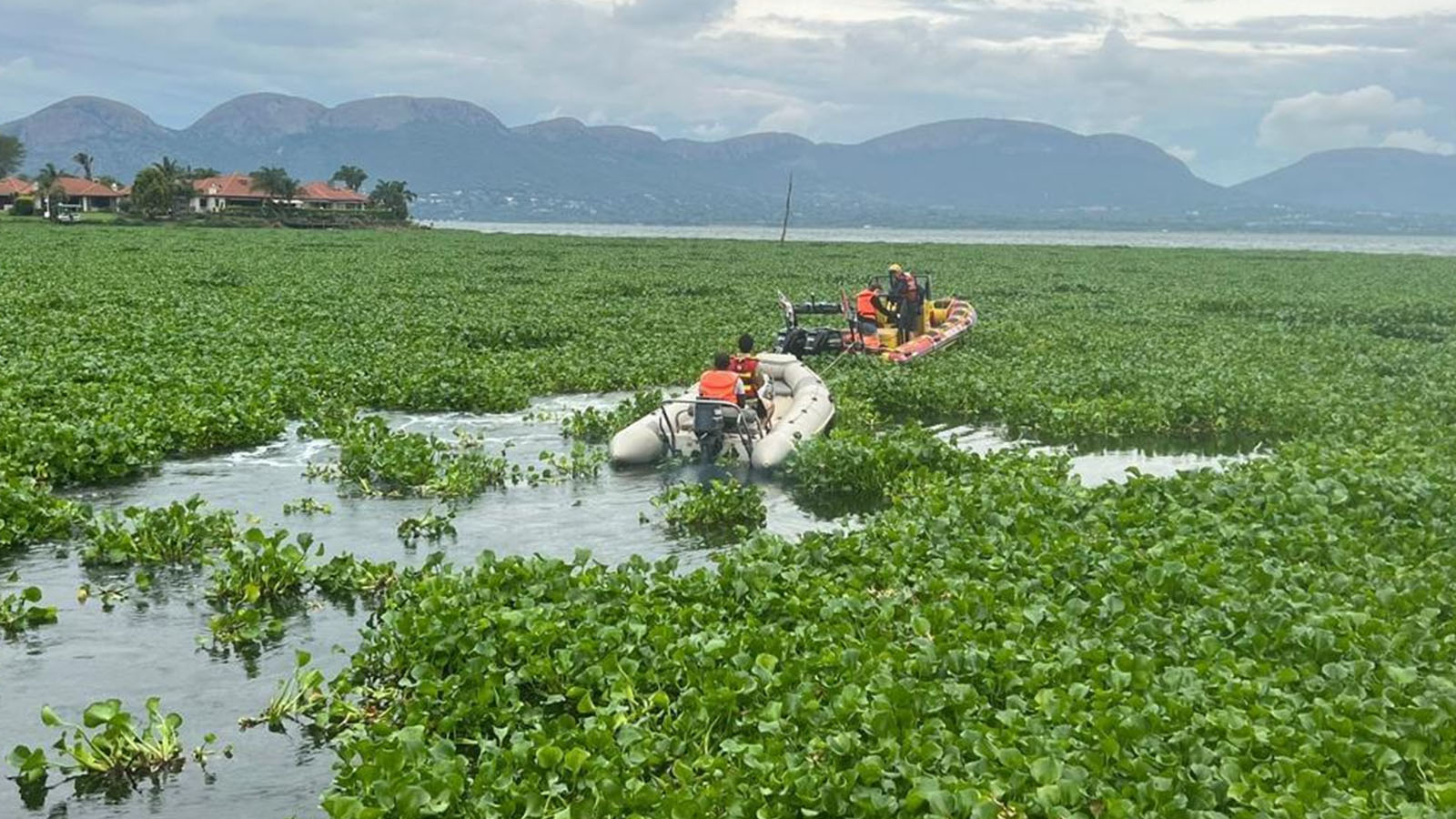
Water hyacinth has become a serious navigation hazard on Hartbeespoort Dam, with shifting vegetation capable of trapping boats and hampering rescue operations.
Boaters trapped overnight in hyacinth
On Saturday, 7 November, two boats became trapped in thick water hyacinth, triggering a rescue operation that continued into the night.
According to Arthur Crewe of the Hartbeespoort Marine Law Enforcement Unit and maritime search-and-rescue services, rescuers received calls for assistance shortly after 16:00.
One boat, carrying six people, was trapped in a densely compacted mat of hyacinth reportedly about one metre deep.
Rescue teams struggled for hours to reach the passengers because the vegetation was too thick for their boats to penetrate.
A change in wind direction eventually created an opening, allowing rescuers to reach the six passengers at approximately 22:30.
However, the skipper of a second boat remained stranded overnight and could only be reached the following morning.
During the operation, rescuers using a drone also spotted a third, apparently abandoned boat trapped in the vegetation. At the time of the report, the circumstances surrounding its occupants remained unclear.
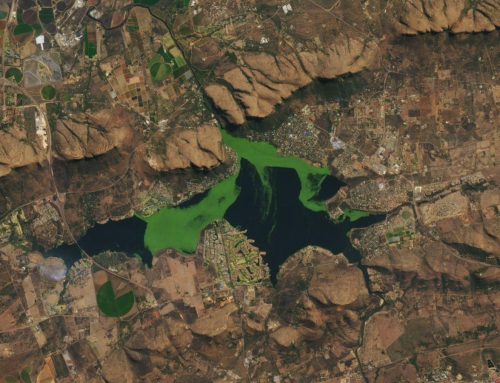
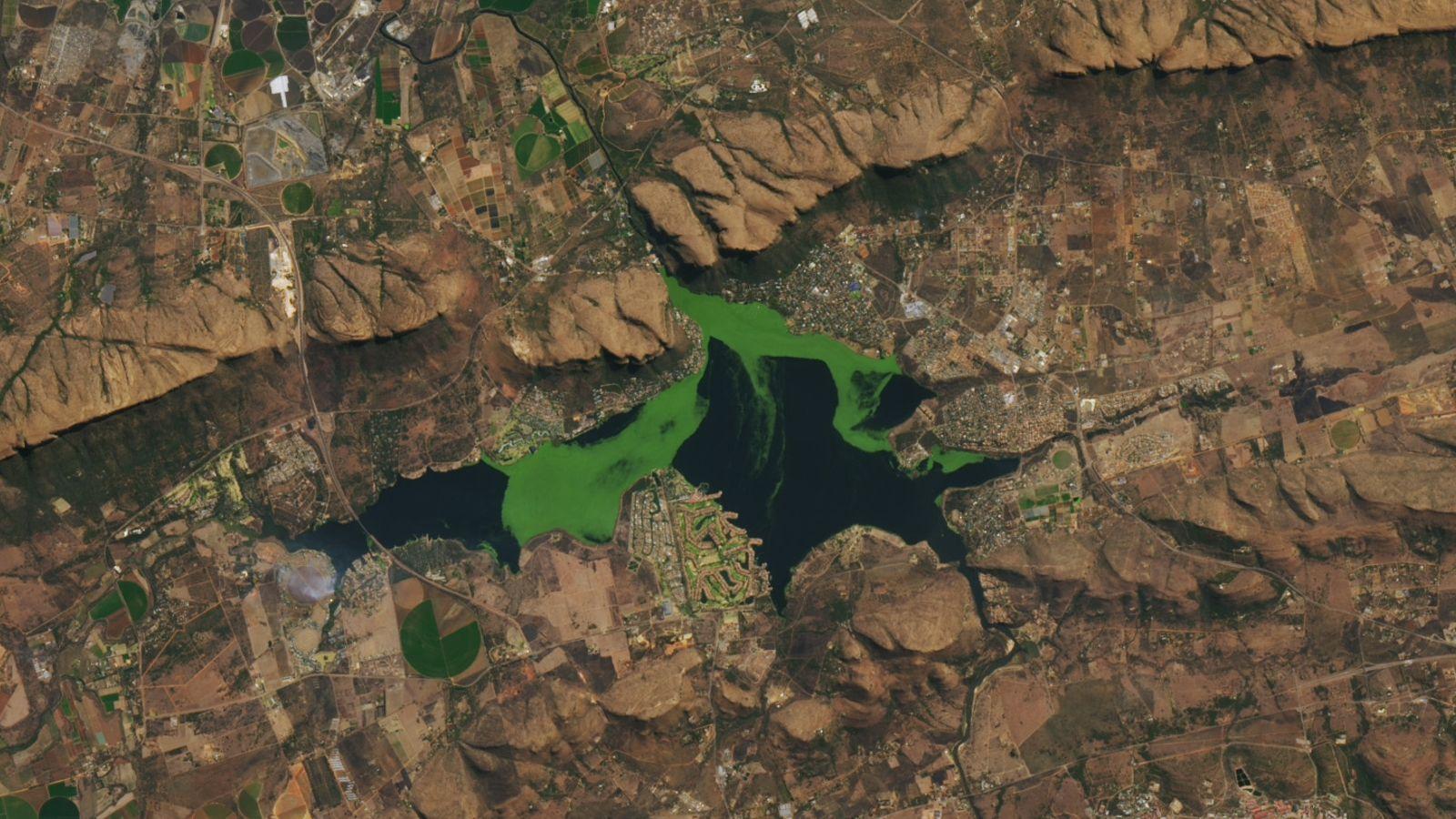
Crewe warned that more than half the dam was covered by hyacinth, according to his assessment at the time.
The incident highlights a frightening reality: boaters can become trapped even when they initially launch into apparently clear water.
Why the hyacinth is so dangerous
Unlike fixed obstacles, water hyacinth is constantly moving.
The floating plants form enormous interconnected mats that drift across the dam under the influence of wind.
A channel that appears completely clear in the morning can become blocked within a relatively short period.
For boat owners, this creates several serious hazards.
1. Engines and propellers become entangled
The long roots of water hyacinth can wrap around propellers and obstruct water intakes, causing engines to overheat or fail.
Once a boat loses propulsion inside a thick mat, escaping without assistance can become extremely difficult.
2. Boats can become completely surrounded
A sudden change in wind direction can push enormous quantities of vegetation into previously open water.
Boats may find themselves surrounded by thick plants, leaving no clear route back to shore.
3. Hidden obstacles can damage vessels
Floating vegetation can conceal logs, debris, discarded fishing equipment and other submerged hazards.
These obstacles can damage propellers, hulls and steering systems.
4. Rescue operations become extremely difficult
Perhaps the greatest danger is that rescue boats can encounter the same obstacles as the vessels they are trying to assist.
Dense hyacinth can prevent emergency crews from reaching stranded passengers, particularly after dark or during strong winds.
5. Exposure becomes a serious risk
Passengers trapped overnight may face falling temperatures, dehydration and exhaustion, particularly if they have not packed sufficient food, drinking water or protective clothing.
Search for missing skipper highlights the danger
The seriousness of conditions on Hartbeespoort Dam has also been demonstrated by the ongoing search for skipper Jan “Obakeng” Mokonyane, who disappeared after a boat capsized on 25 October.
Eight passengers were rescued following the incident, but Mokonyane remained missing as of 11 November.
Search teams have faced considerable difficulties because of the thick hyacinth, poor underwater visibility and changing conditions on the dam.
Police divers, rescue personnel, drones and other resources have been deployed in the search.
Although the cause of the boating incident has not been established as hyacinth-related, the vegetation has significantly complicated efforts to locate the missing skipper.
What boat owners should do before launching
The National Sea Rescue Institute (NSRI) has previously issued warnings about the dangers posed by the floating vegetation.
Boat owners are advised to carefully assess conditions before deciding whether to launch.
Check the wind forecast
Wind direction is particularly important because it determines where large mats of hyacinth may drift.
A change in wind direction can rapidly close access routes and launching areas.
Inspect the dam before launching
Do not assume that conditions are safe simply because the water immediately around a launching site appears clear.
Check the position of nearby vegetation and obtain local information about conditions elsewhere on the dam.
Never attempt to force a boat through thick hyacinth
Trying to power through dense vegetation can damage the engine and leave a vessel stranded.
If the route back to the original launching site becomes blocked, consider using another safe, accessible launching point rather than entering the vegetation.
Always wear life jackets
Every passenger should have a correctly fitted life jacket, and boat owners should ensure that all required safety equipment is on board.
Carry emergency supplies
Even a short recreational outing can turn into an overnight emergency.
Boat owners should carry:
- Sufficient drinking water and food.
- Warm clothing and weather protection.
- Fully charged mobile phones in waterproof protection.
- A first-aid kit and appropriate emergency equipment.
- Navigation equipment and a reliable means of communicating their location.
- A torch and other equipment appropriate for an unexpected delay.
Tell someone where you are going
Before launching, inform a family member or friend of your intended route, launching point and expected return time.
The NSRI also recommends using its SafeTRX application to record boating trips.
What to do if your boat becomes trapped
If a vessel becomes surrounded by hyacinth, the most important advice is to remain calm and avoid actions that could make the situation worse.
Do not repeatedly force the engine through vegetation or attempt to swim through dense mats.
Keep passengers aboard unless remaining on the vessel presents an immediate danger, ensure everyone is wearing a life jacket and contact emergency services as soon as possible.
Provide rescuers with your GPS coordinates or live location, the number of passengers aboard and information about any injuries or medical emergencies.
Conserve mobile phone battery power and follow the instructions of rescue personnel.
Importantly, do not wait until darkness before requesting assistance if it becomes clear that the boat cannot safely escape.
Why does the hyacinth keep returning?
The water hyacinth problem is not simply the result of plants growing on the surface.
It is closely connected to the deteriorating water quality of Hartbeespoort Dam.
Large quantities of nutrients, particularly nitrogen and phosphorus, enter the dam through rivers carrying inadequately treated wastewater, sewage and other pollution.
These nutrients create favourable conditions for invasive aquatic plants to flourish.
Water hyacinth grows rapidly during warm weather and can form extensive floating mats when conditions are suitable.
Although biological control programmes involving insects such as the water hyacinth planthopper and weevils are helping to suppress plant growth, the underlying pollution problem remains a major challenge.
Magalies Water and scientific partners have been involved in biological control and other rehabilitation measures.
However, experts have repeatedly warned that removing the plants alone will not provide a permanent solution while excessive nutrient pollution continues to enter the dam.
The impact on Hartbeespoort’s economy
Hartbeespoort Dam is more than a recreational water body.
It is central to the local tourism economy, supporting boat operators, waterfront restaurants, accommodation establishments, fishing activities and businesses that depend on visitors.
When boating becomes dangerous or access to the water is restricted, the consequences extend beyond recreational boat owners.
Tourism businesses may experience cancellations, boat operators can lose income and visitors may choose alternative destinations.
The situation also raises concerns about the long-term attractiveness of Hartbeespoort as a tourism and residential destination.
A warning that should not be ignored
Hartbeespoort Dam remains an important recreational attraction, but the current hyacinth infestation demands a far more cautious approach to boating.
The fact that rescue crews have struggled to reach stranded vessels demonstrates that ordinary boating precautions may not be sufficient.
For boat owners, the message is clear: assess the conditions carefully, avoid floating vegetation and never underestimate how quickly the situation can change.
For authorities, the continuing crisis reinforces the need for coordinated action to address both the invasive plants and the pollution that allows them to flourish.
Until meaningful progress is made, boat owners and visitors will have to treat the green mats covering Hartbeespoort Dam as a serious safety hazard rather than merely an environmental nuisance.
Kormorant encourages boat owners and residents to share photographs and information about changing hyacinth conditions to help keep the community informed.